








|
By C.C. Sullivan
Omniscient control, or edge monkeys?
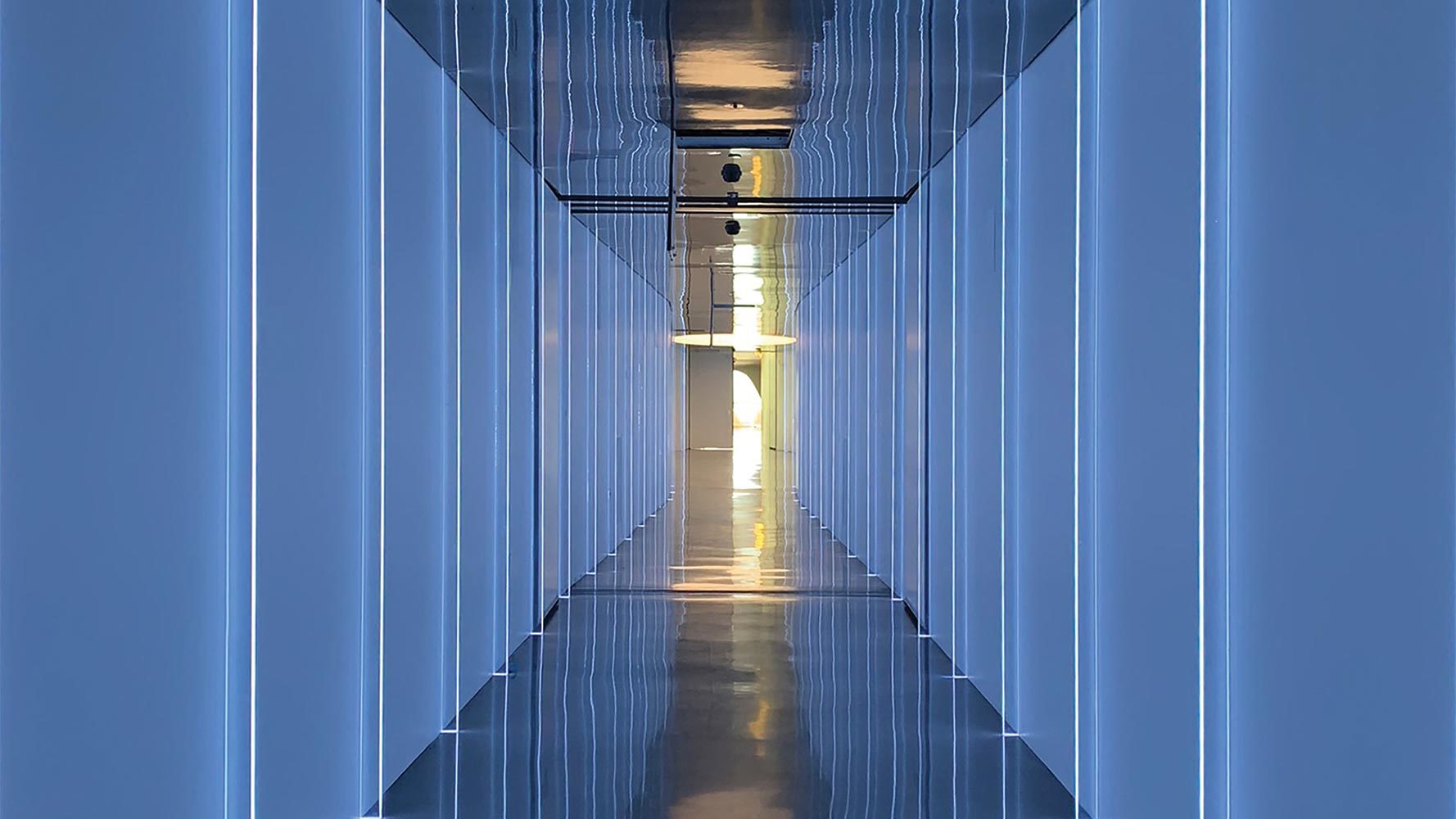
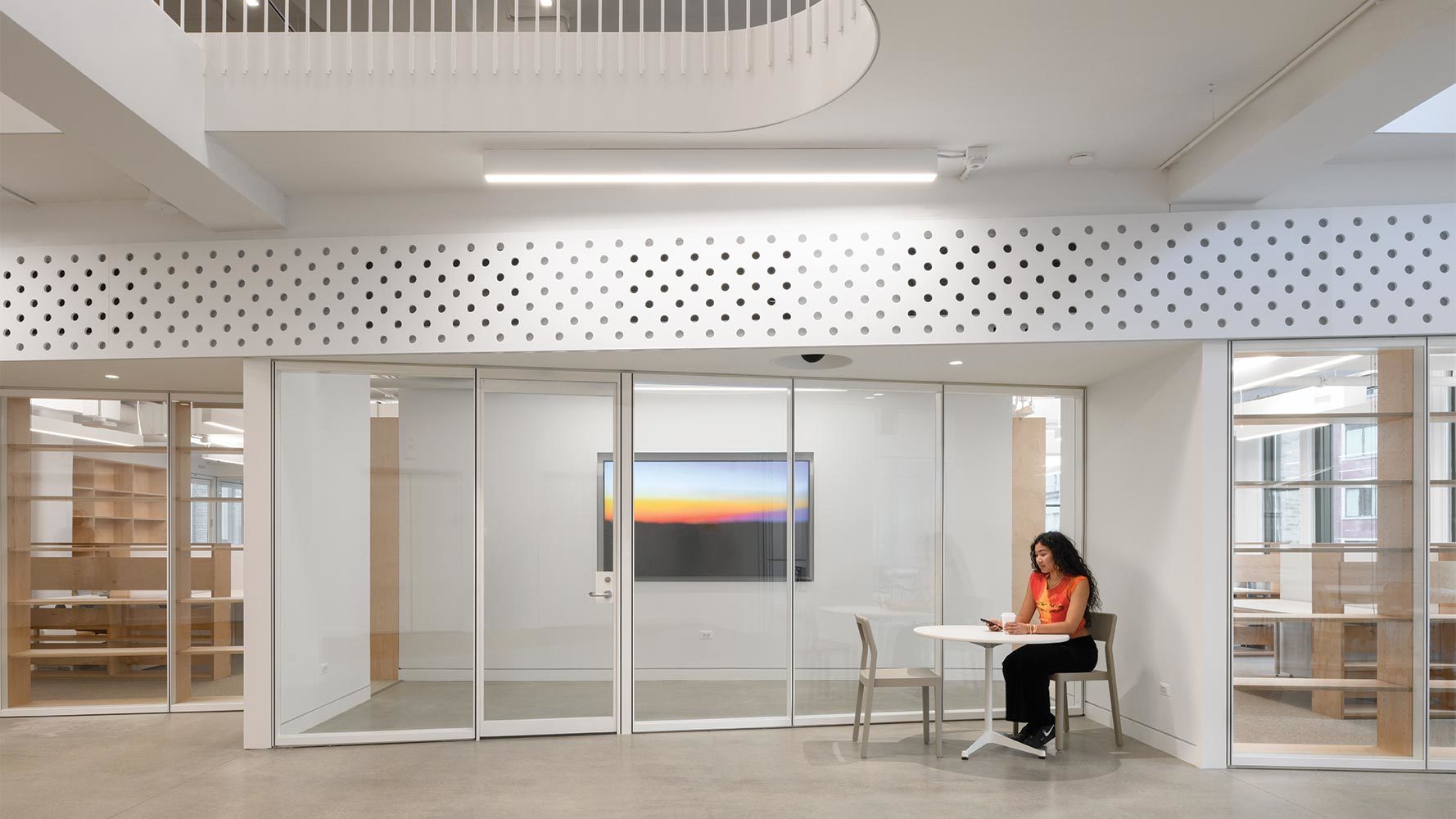
Beyond two ways to build a wall, the
Morphosis projects also suggest two ways to make walls smart:
independent control or centralized control. A project at Cooper
Union in New York will integrate all facade operations into
the building automation system (BAS), whereas Caltrans has
independent (although Internet-accessible) envelope controls
and a common override function only for emergencies, such
as high winds.
| click
images to view them larger |
 |
 |
 |
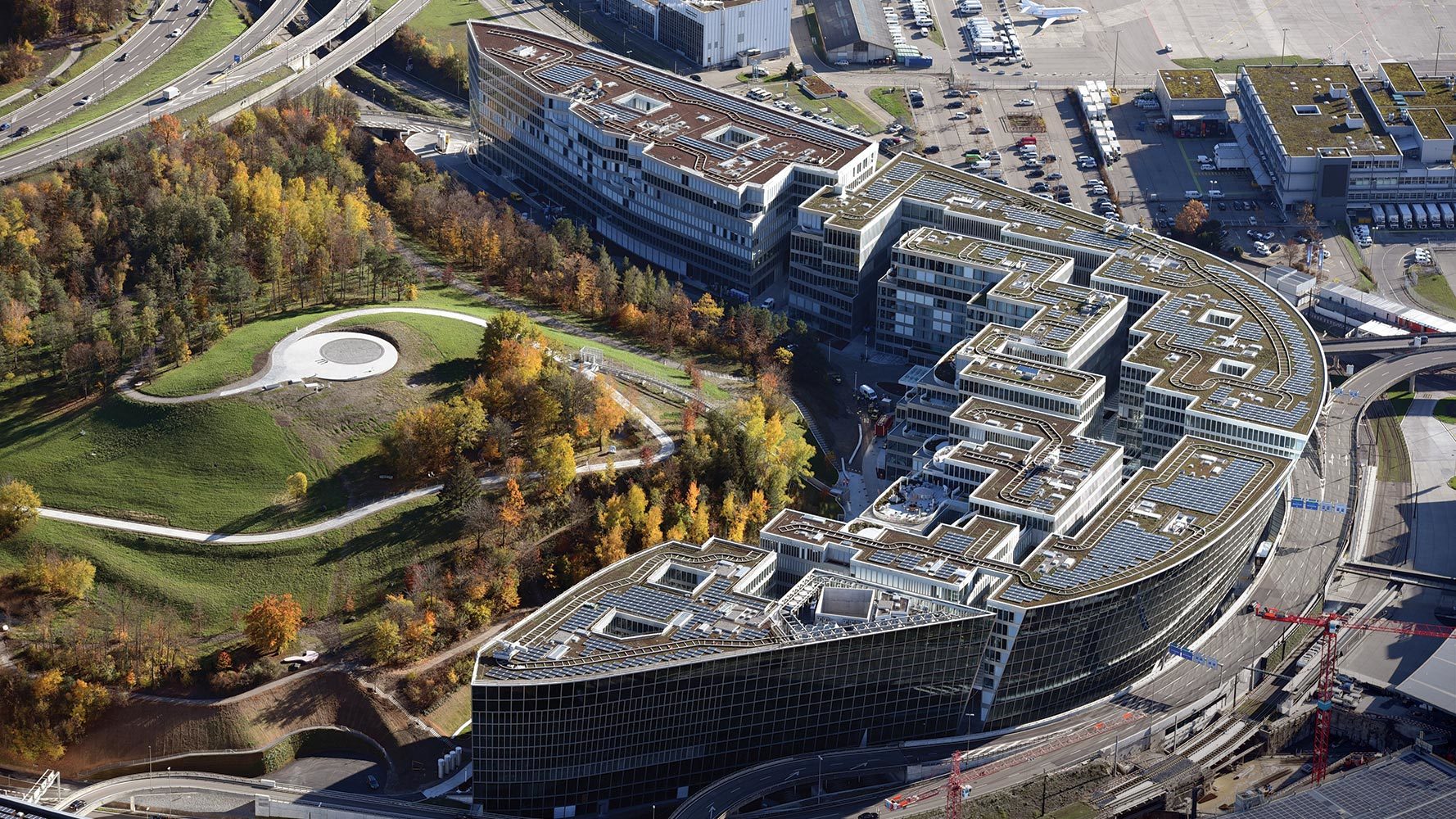
Aurora
Place, London
At the upper levels of the building, the outer
layer of double-skinned facade is made up
of frameless glass panels, angled at 3 degrees,
with open joints. Behind the screen is a walkway
used for maintenance. Tenants can open the
windows to provide natural cooling. The window
blinds are automatically raised or lowered
based on current conditions in each tenant
zone. The blinds are accessible from the outside
for cleaning and maintenance.
Photography: © Arup Associates (left);
Richard bryant (middle) |
|
|
Recent thinking on active envelopes mirrors
that for m/e/p design generally: avoid complexity and, therefore,
very integrated schemes. Some projects, such as Arups
Plantation Place , have explored highly localized automation.
There, sensors mounted on the inner facade detect solar conditions
for each tenant zone. Solar blinds in specified areas raise
or lower autonomously, depending on the local temperature,
sun strike, and occupant preferences. Natural ventilation
rates are determined locally as well. Like the robotic edge
monkeys, however, such islands of control need occasional
global guidanceand the will to ignore the people they
serve. You cant rely on human input, says
Arfon Davies, an associate with Arup Lighting in London. And
if automatic shading controls are independent from the BAS,
they should still be able to send a signal to the BAS to indicate
a fault.
Davies adds that even the most automated
systems should have a local override. More important, says
LBNLs Lee, Windows are very much a personal item,
and having that control taken away from you can be a pain.
You have to have manual override. Taking a related tack,
Gould Evans chose to split the control of interior blinds
for Biodesign Institute. Above 8 feet from each floor, the
shading is fully automated based on solar position; below
that, occupants choose. These systems begin to have
a determinist impact on the psychology of the user,
says Gould Evans principal Jay Silverberg. Is any optimism
warranted for a new wave of smart buildings? Architectural
environments will be increasingly smart and responsive and
capable of complex behaviors, predicts Michael Fox,
the Venice, Californiabased architect and robotics expert.
Designing interactive architectural systems is not inventing,
but appreciating and marshaling the technology that exists
and extrapolating it to suit an architectural vision.
Edge monkeys, indeed.
C.C. Sullivan is a consultant and
author who specializes in architecture and technology. He
is currently writing a book on interactive building envelopes.
|