|
Growth is good when in accordance
with natures own time-tested blueprint.
By Nancy B. Solomon, AIA
Biophilia
While these intrepid designers are working to integrate
architecture with natural systems, scientists are increasingly
mounting evidence of the critical role nature has played in
our evolutionary development and, if properly embraced, the
potential nature offers for our future health and productivity.
This area of study has come to be known as biophilia.
Edward O. Wilson, professor of comparative zoology at Harvard
University, first used the term in 1984 to describe humans
innate attraction to other forms of life. According to Wilson,
our affinity for nature is intrinsically linked to our own
human nature becauselogically enoughour species
developed over the course of hundreds of thousands of years
within nature. In short, the brain evolved in a biocentric
world, not a machine-regulated world, writes Wilson
in The Biophilia Hypothesis (Island Press, 1993). From this
premise, it follows that we humans may not be able to achieve
our full potentialphysically, intellectually, or spirituallyif
we become too isolated from the natural world.
|
 |
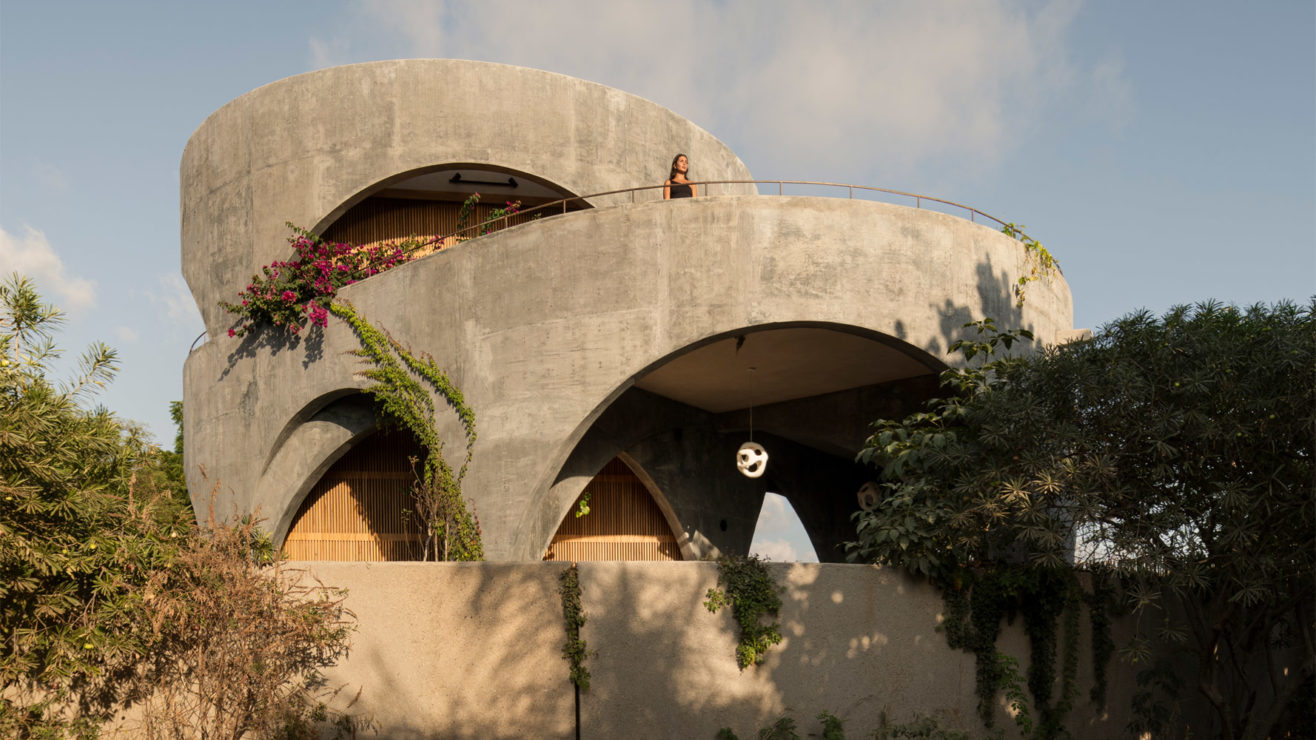
The
New Watsu Center School and Residence Middletown,
Calif.
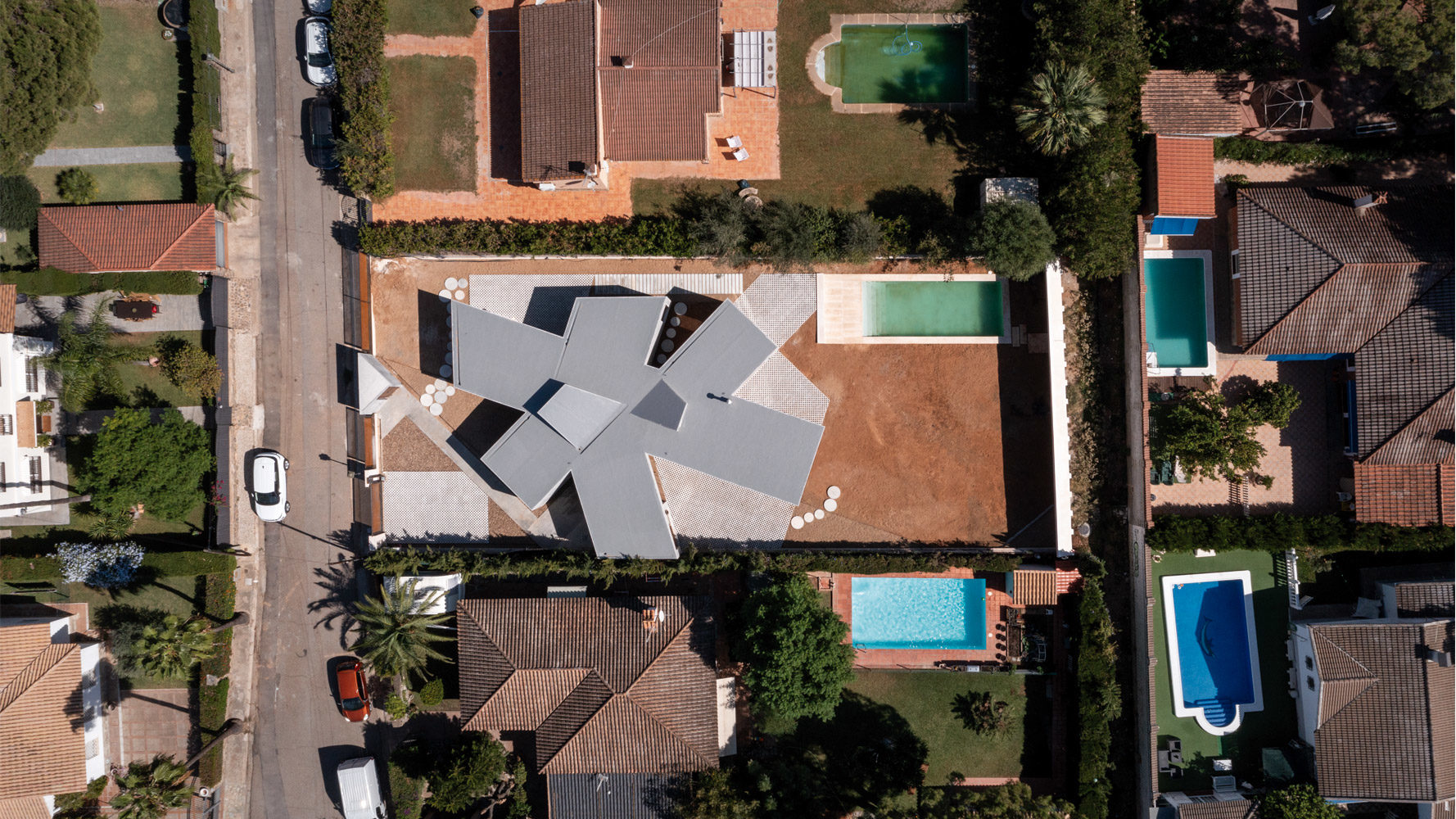
The world headquarters for the teaching and practice
of Watsu, a therapeutic massage done in water, is
located in an earthquake-prone area. Architect Eugene
Tsui employed five geodesic domes (above) as the
structural system. A series of parabolic arches
angling in various directions (far right) creates
a forestlike space for three outdoor showers. |
|
|
| Photos
© Eugene Tsui |
|
Various research projects seem to support the biophilia
premise. In one study by environmental psychologist Roger
S. Ulrich, professor at Texas A&M University in College
Station, patients recovering from surgery were assigned to
rooms with windows overlooking either deciduous trees or brick
walls. Those with the natural views recuperated more quickly
while receiving less powerful painkillers. And, according
to Seattle-based environmental psychologist Judith H. Heerwagen,
productivity increased slightly when Herman Miller workers
first moved into the McDonough-designed SQA building in Holland,
Michigan, which boasts many green features. This is atypical,
explains Heerwagen: Productivity typically decreases significantly
during the first few months after a company relocates.
Stephen R. Kellert, professor at the School of Forestry
and Environmental Studies at Yale University, has explored
the implications of biophilia on the built environment. In
Reshaping the Built Environment (Island Press, 1999), Kellert
spells out nine values of biophiliadefined briefly belowwhich
he proposes as broad design objectives for future
development:
- aesthetic (physical attraction and appeal of nature)
- dominionistic (mastery and control of nature)
- humanistic (emotional bonding with nature)
- naturalistic (exploration and discovery of nature)
- moralistic (moral and spiritual relation to nature)
- negativistic (fear of and aversion to nature)
- scientific (knowledge and understanding of nature)
- symbolic (nature as a source of language and imagination)
- utilitarian (nature as a source of material and physical
reward).
Specific building elements that figure prominently in a
discussion of biophilic architecture include organic forms;
views to nature; indoor greenery; natural lighting, ventilation,
and materials; and spatial and visual diversity.
According to Heerwagen, good examples of biophilia in the
built environment are still few and far between. In fact,
she believes modern zoo design takes these issues much more
seriously than design for human habitation: Zoo designers
now consider the animals natural environments and what
they needphysically, psychologically, and sociallyto
be healthy. Long gone are the small, boxy cages of yesteryear;
animals are allowed to roam more freely and, in some instances,
even search for food. In contrast, how many Americans still
work in sterile, windowless cubicles?
In an attempt to remedy our current human predicament, Rocky
Mountain Institute is collaborating with Heerwagen and Kellert
to develop a multiyear research program that would seek to
determine the kinds of relationships that are truly needed
between our built and natural environments.
Page 4 of 6
       
|