subscribe
e-newsletter
contact us
advertise
from our archive
Projects   Building Types Study - Schools, K-12
Off the Record: Recent Blog Posts
The blog written by the staff of Architectural Record
View all blog posts >>
Recently Posted Reader Photos

View all photo galleries >>
Reader Commented / Recommended
Most Commented Most Recommended
Rankings reflect comments made in the past 14 days
Rankings reflect votes made in the past 14 days

P.S. 156 / I.S. 392
Brooklyn, N.Y.
Mitchell/Giurgola Architects

With a jewel-like presence, Mitchell/Giurgola Architects? schoolhouse stands tall

By Jane F. Kolleeny


© Kevin Chu/KCJP

For more photos click on 'photos & drawings' above.

To see the people and products behind this project click on 'people & products.'

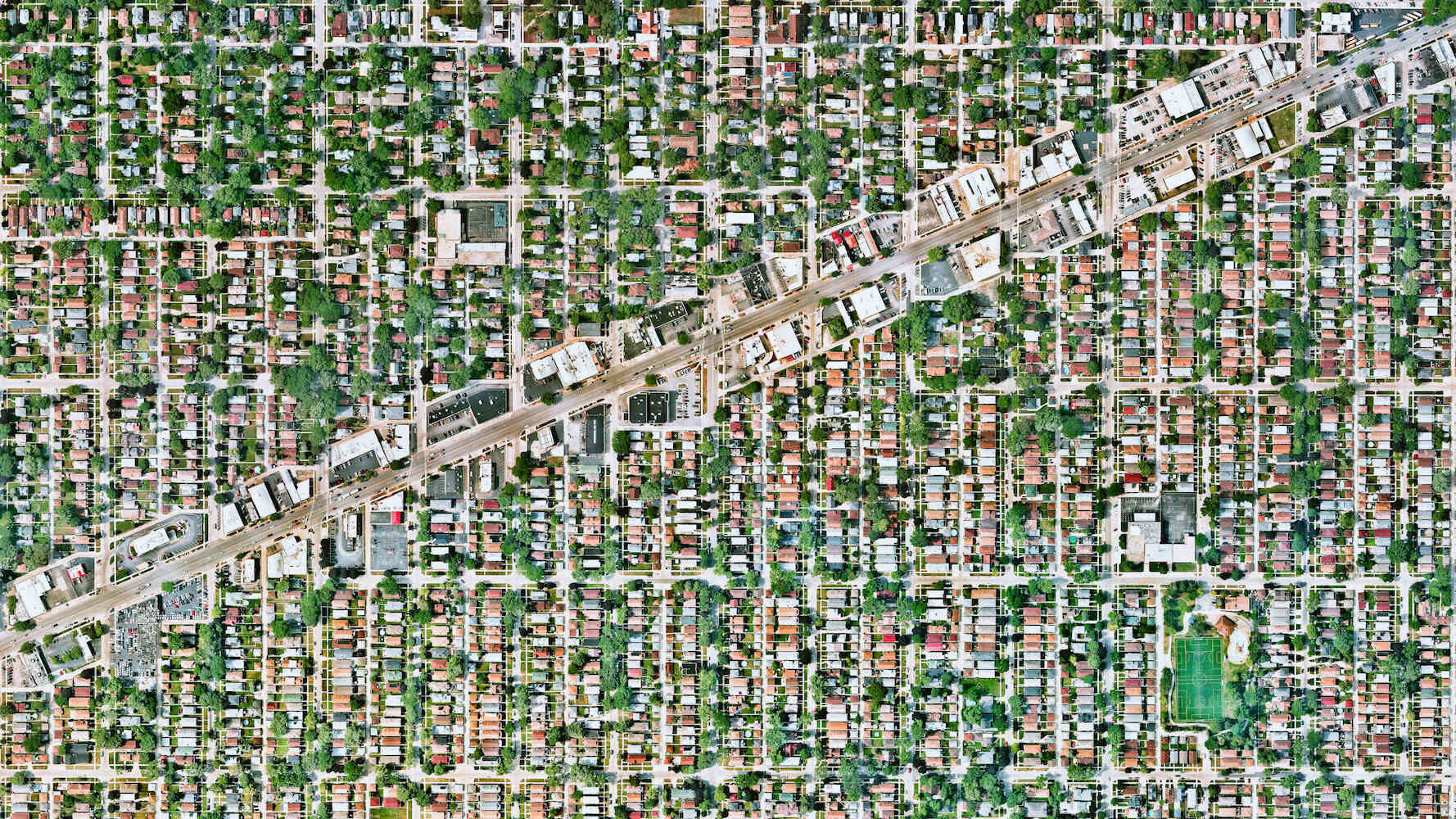
In the mid-1800s, tract homes and high-density tenements changed a once-rural Brownsville into a dreary urban neighborhood in southwestern Brooklyn. Effectively a slum, with unpaved streets and no sewers, it was home to struggling first-generation Jewish immigrants who worked in Manhattan’s garment district. After World War II, it was abandoned by the industry’s more successful entrepreneurs, who were replaced predominantly by African-Americans. Although efforts were made in the 1970s and ’80s to upgrade the area, it remains neglected today.

Brownsville needed a hero, and it appeared in the form of this school, which encompasses almost a full city block and plays a vital civic role in the rough and tumble neighborhood. Doubling as a community resource center, the building is utilized by most of the local families for performances, sports, and social and educational events. It replaces a 1908 school building on the same site that had been vandalized and was subsequently demolished, in 1993, because it contained asbestos and lead.

The new school accommodates 200 gifted seventh and eighth graders and 900 K-6 students. One long wing of the four-story building is composed mostly of classrooms, with the gym, cafeteria, library, and other public areas clustered in the other wing so that classrooms can be secured when the school is closed.

An Annenberg grant for art made it possible to offer the kids an enriched arts program. These funds helped create two arts classrooms, a dance studio, music room, recording studio, and a 416-seat, stadium-style auditorium.

As the central theme of the curriculum, art is also reflected in the school’s design. The most visibly compelling part of the building, a two-story wall of glass tiles designed by noted sculptor Ned Smyth overlooks the prominent grand stairway marking the main entrance. Illuminated at night and prominently visible to the community through a glazed wall, it fronts Sutter Avenue, one of the main arteries in Brownsville. The playground and public areas of the school open onto this street, bringing in more life.

Standard features include durable, high-quality, low-maintenance materials: terrazzo floors, steel doors, painted concrete block walls in classrooms, and attractively finished glazed concrete block in corridors and all public spaces to assure a utilitarian, tanklike resiliency that is still user-friendly. Designed for future wireless use, classrooms are flexible and can be converted from standard format to the popular small cluster.

See the March 2003 issue of Architectural Record for full coverage of this project.

Formal name of Project:
P.S. 156 / I.S. 392

Location:
Brooklyn, N.Y.

Gross square footage:
157,000 sq ft

Total construction cost:
$52.9 million

Architect:
Mitchell/Giurgola Architects, LLC
170 West 97th Street
New York, NY 10025
(212)663-4000 phone
(212)866-5006 fax
www.mitchellgiurgola.com


ADVERTISEMENT
Special Subscription Offer: Get Architectural Record Digital Free!
© 2008 The McGraw-Hill Companies, Inc.
All Rights Reserved