Photography: © André
Souroujon |
|

By
Robert A. Ivy, FAIA |
The conversation with my
fellow traveler was breezing along as two frequent fliers
compared notes on the American home. Here we were, separated
by geography (north/south), work (public versus private
sector), yet experiences with our own houses bore striking
similarities, including the removal of trees recently
downed in harsh weather. Where, we speculated, did nature
present only a constant, benign face? The answer: England!
Then with one sentence, the universe shifted. Of
course, I would never live there, he observed.
They dont allow handguns, and I couldnt
protect my home.
Like a lightning strike,
his observation divided us: We clearly saw the world
in distinctly different ways. He sallied into the need
for protection of hearth and family in a troubled world,
describing how his own house lay nestled in four defensible
acres of trees; I, by contrast, lived in Jane Jacobs
land writ large, an urban oasis of brownstones and pruned
street trees rendered defensible by congregate living.
What particularly struck me, on reflection, was how
I had managed to proceed through a lifetime of architectural
involvement so far removed from the worldview articulated
by the armed homeowner.
Architects often accept the
pieties we have been taught, the lessons that we absorb
and discuss, as larger truth. If only the rest of the
country would simply wake up and stop sprawl. Plan better
cities. Preserve open spaces. Build more environmentally
responsible structures. Any fool (read, the public)
can see how self-interest is despoiling the land; developers,
greed, and blithe unconcern of homeowners form an unholy
trinity, from this shared perspective, fed by low interest
rates and tax laws that encourage the building of the
single-family home. While we architects are quick to
know the better answer, we might take time to understand
the motivation of the people we hope to convince. How
well do we actually understand, for instance, the American
need for autonomy? Clearly, the homebuilding boom of
recent years reflects deep-seated desires. Better understanding
of the motives leading to the suburbanization of America
can allow us to acknowledge and address, if not agree
with, the results. An informed architecture, and planning,
can only improve our design.
The need forcefully articulated
by my fellow traveler was for security. His position,
while extreme to these New York ears and smacking of
a Michael Moore parody, historically extends to the
founding of the United States, when individual settlers
faced the perils of an expansive wilderness and ultimately
forged the democratic system we currently enjoy. The
philosophical underpinnings that place the citizen at
the helm of his or her own destiny stretched throughout
the nineteenth century to include a litany of virtues
encapsulated in the title of Emersons well-known
essay Self-Reliance. Wright and other architects
mixed morality with design, with repercussions that
extend into this new century.
Today, the currents of global
change and the challenges to domestic order are creating
undercurrents of fear that erupt in unexpected places.
Movies such as Safe Room and Hostage, which serve as
a sort of dreamlike id to our more rational daytime
lives, portray the American house as a fortress, assaulted
by crime, powerless in the face of inept authorities.
In the case of those imaginary tales, neither the architect-designed
houses out in the landscape nor those in the city, protected
by electronic systems, fortified by vaults and television
cameras, could save the protagonist. The individual
homeowner, and heroic strangers, are the best defense.
Architects are sometimes
accused of being out of touch with widespread needs,
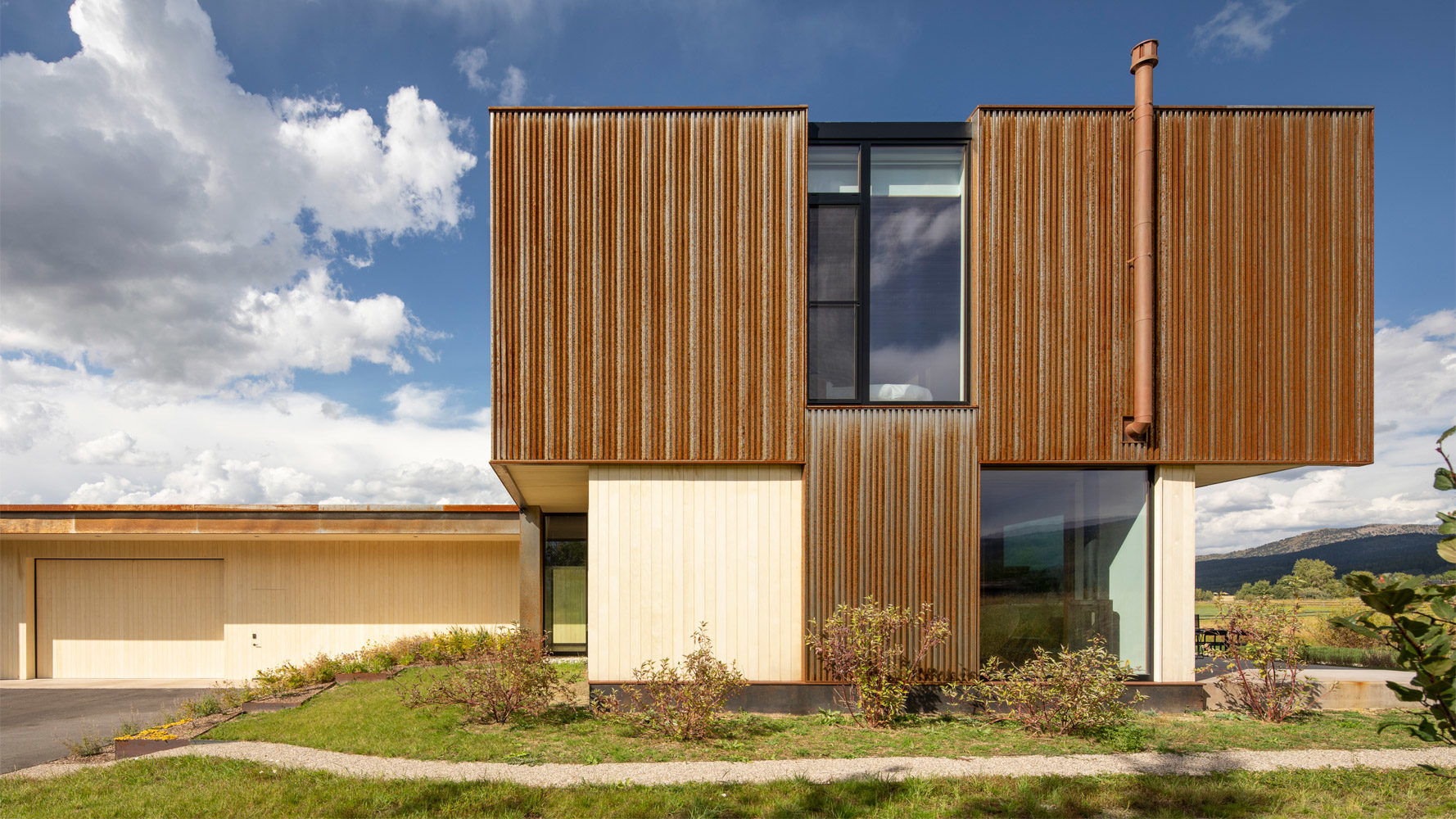
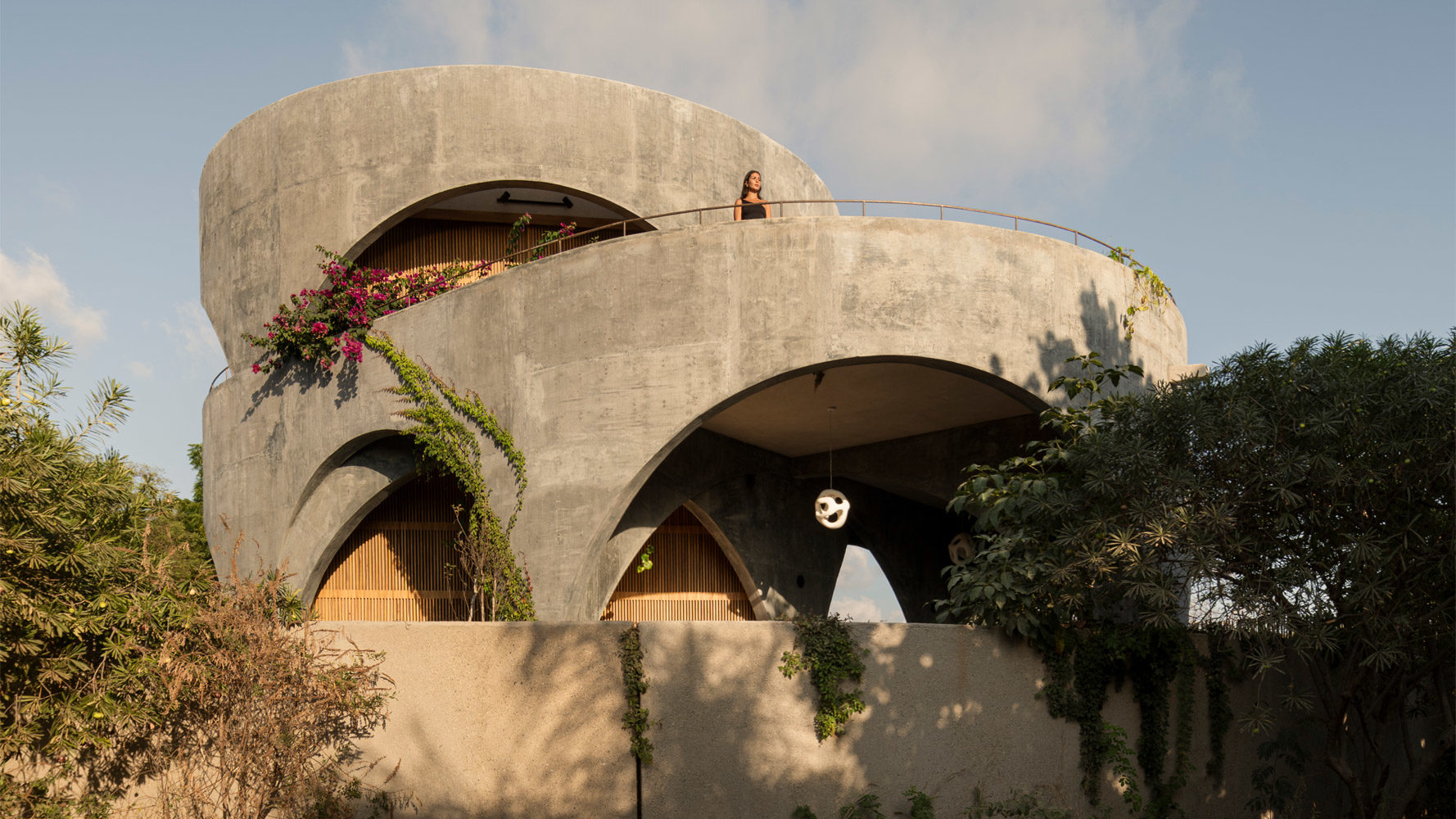
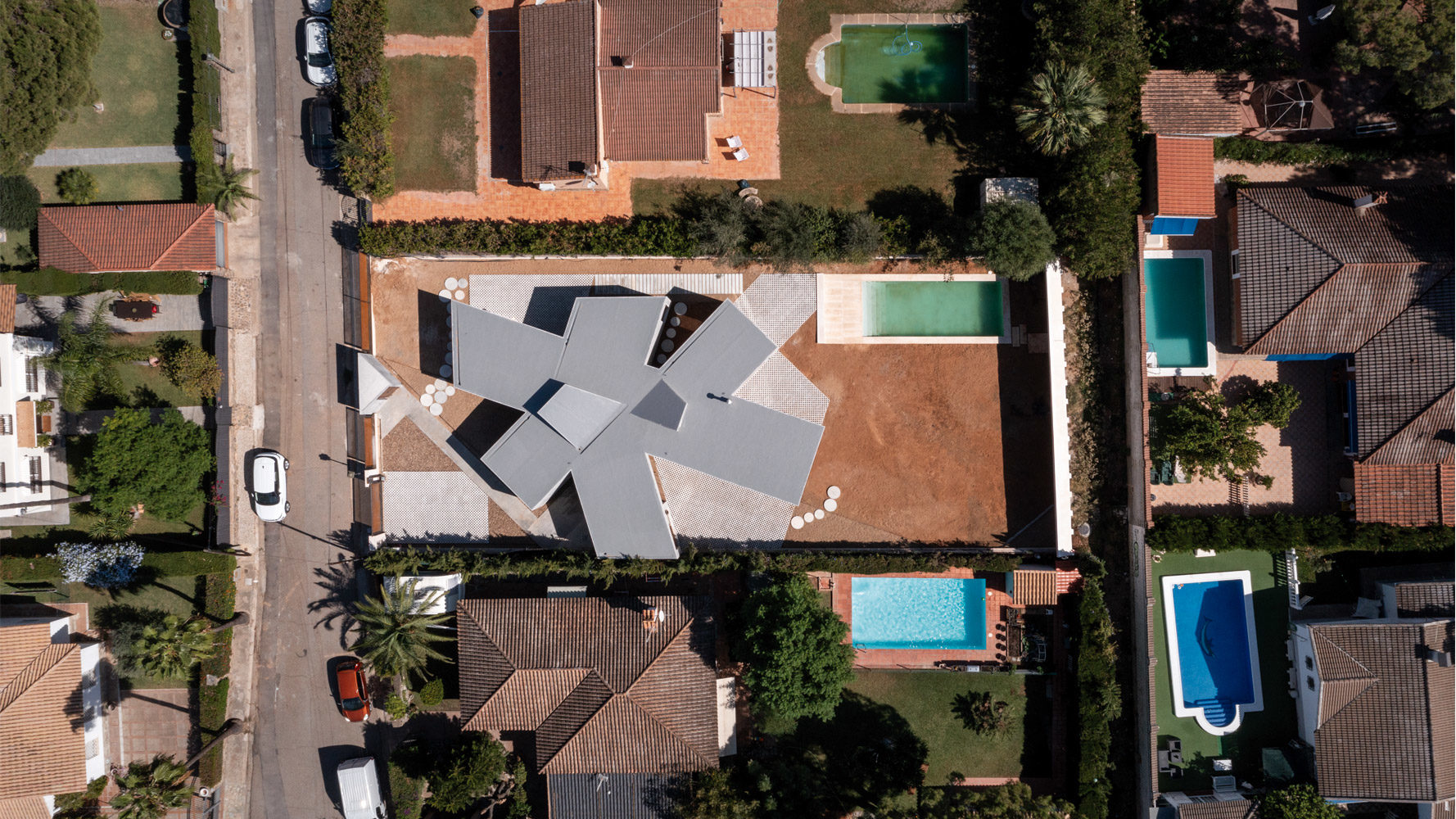
including security. In this issue, Record Houses again
reflects the deep-seated desire for dwellings with a
symbiotic relationship to the out of doors that is transparent
and in harmony with nature. At the same time, the eight
residences presented in these pages and on the Web will
never address all of the fundamental questions accompanying
our overarching desire to live within the countryside.
The traveler might ask, can these remote, leafy bowers
offer a sense of security on dark New England nights?
What neighbor might you call if the lights went out?
Architects are rarely motivated by fear. Ensconced as
we are in lofts, or within the hum of the urban village,
an unexpected conversation with a stranger suggests
that we ponder the qualities of the ideal home and whether
we architects are in touch with our clients. While Ill
not soon change my own position on the role of firearms
as the best source of security, nevertheless I wonder,
how well do we know what clients really want?
Join Robert Ivy as he jots down
notes on his travels and the state of architecture today
in the Editor's Journal.
Check out our index
of past editorials.
If you wish to write to our
editor-in-chief you can email him rivy@mcgraw-hill.com.
|