|
May 6, 2005
 |
Click images
to see larger |

High Museum Expansion
Courtesy High Museum of Art |

Nasher Sculpture Center
Courtesy Timothy Hursley |

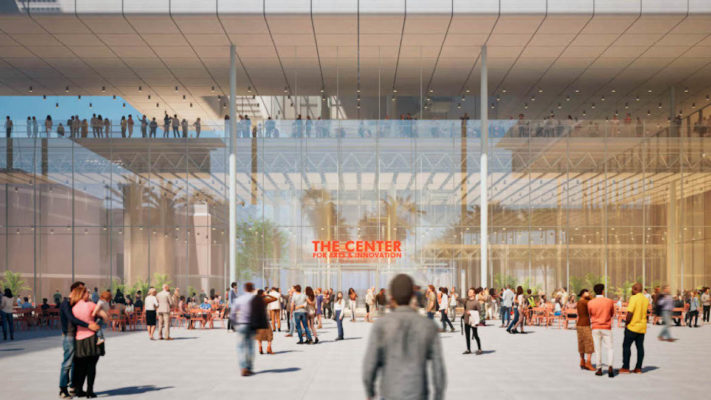
L.A. County Museum of Art Expansion
Courtesy LACMA |

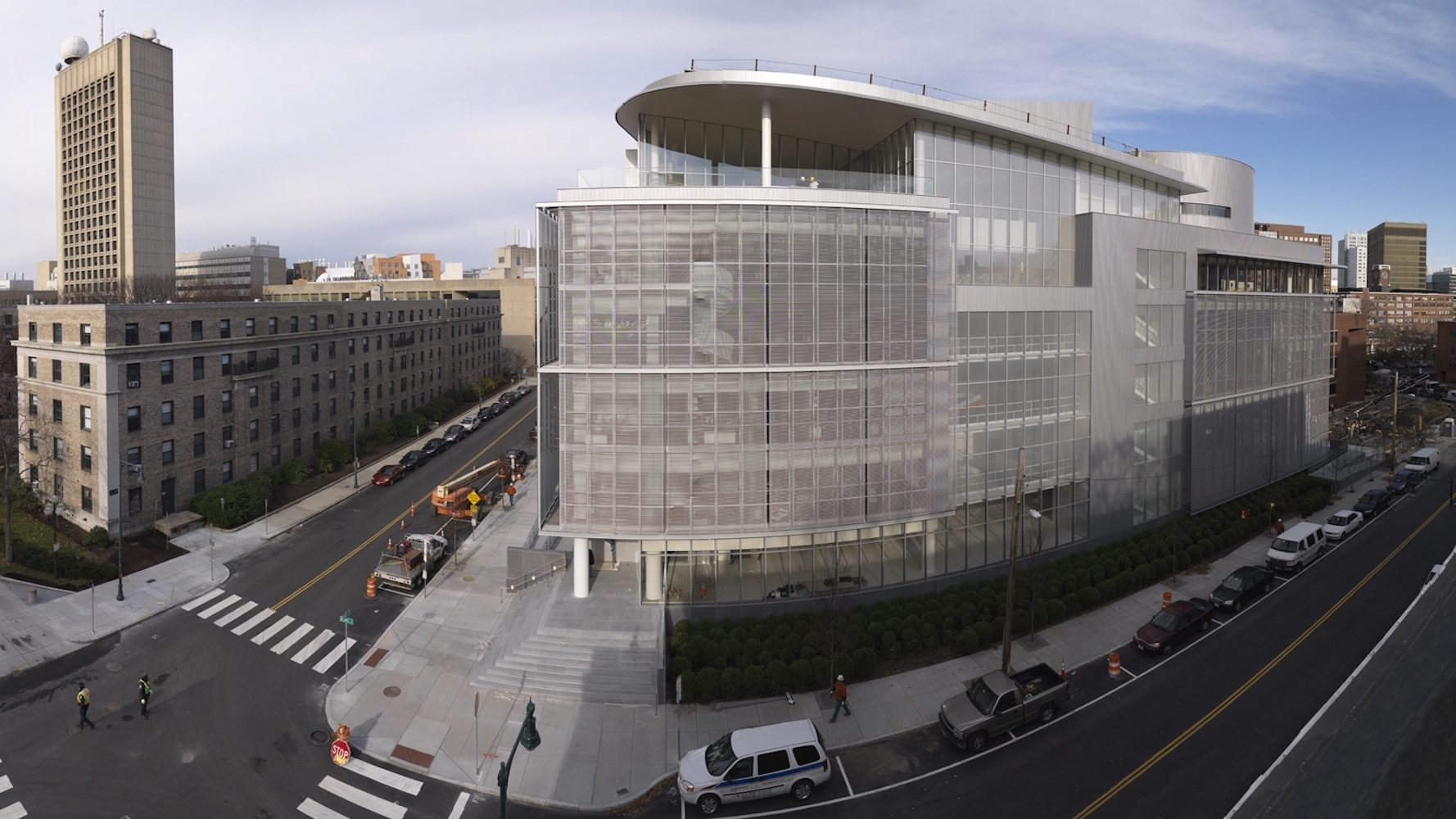
Chicago Art Institute Expansion
Courtesy Chicago Art Institute |

Whitney Museum Expansion
Courtesy RPBW |
American museums seem to be operating
on a new architectural principle lately: If theres any
doubt about the design of your new addition, hire Renzo Piano.
In the past year, the Italian architect
has received expansion commissions from the Whitney Museum
of American Art in New York City, the Los Angeles County Museum
of Art (LACMA), and the Isabella Stewart Gardner Museum in
Boston. Last year, he completed the graceful Nasher Sculpture
Center in Dallas [record, January 2004, page 100], and his
firm, Renzo Piano Building Workshop, is now working on the
Morgan Library expansion in New York City (opening next spring);
the High Museum Expansion in Atlanta (a 177,000-square-foot
project opening this fall); the glass, steel, and limestone
Chicago Art Institute north wing addition; the California
Academy of Sciences expansion in San Francisco; and (though
its in jeopardy) the expansion of Harvards Fogg
Art Museum in Cambridge, Massachusetts. He is also rumored
to be the favorite to design a new space for the Barnes Foundation
in Philadelphia.
It seems hes the only game
in town, says Ken Carbone, of Carbone Smolan Agency
in New York, which advises on museum projects throughout the
country, including Pianos work in Atlanta. Most museum
leaders point out that Pianos exalted status in their
community is well-deserved. Directors point to several factors,
first among them design, in which Piano creates intimate spaces
that elegantly highlight the art inside. A good example is
the Menil Collection (1987) in Houston, an intimate glass-and-concrete
box whose pristine interiors are flooded with rich layers
of light. Such work seems especially popular as the tide begins
slowly to shift against flashy destination museums
that often overwhelm the work inside.
Another factor is that Piano, known for
working well with museum officers and coming in on budget
with popular designs, has become a sure thing in a field that
is often without certainties. James Cuno, director of the
Art Institute of Chicago, points out that museum after museum
extols his work, charisma, and negotiating ability.
But some feel the choice of Piano is
more about playing it safe with a familiar name. Carbone notes
that some American architects are getting fed up with what
could be called the knee-jerk choice of Piano
(as well as the recent dominance of other foreign firms in
the U.S. museum market, such as Herzog & de Meuron). Youd
like to think theres somebody else out there,
he says, pointing to only a handful of American architects
getting recent museum commissions, like Frank Gehry, FAIA,
and Polshek Partnership. Richard Gluckman, who also submitted
a design for the Whitney addition, claimed that the museum
had promised him a chance to compete for the commission but
changed its mind when Piano came into the picture.
While most admire his work, some architects
wonder whether Pianos multitude of U.S. projects will
begin to look formulaic, which he says will never happen.
The differences between my buildings are immense,
he says, pointing to the LACMA project, which creates a new
gardenway as a centerpiece, and the Whitney Museum, which
opens up to the surrounding urban environment, as examples.
Some people like to make generalizations, but theyre
not looking closely enough, he adds. Piano also resents
being regarded as a safe choice. Making
museums that work for art, that are simple, subtle, serene,
doesnt mean they are not ambitious buildings,
he says.
As for his grip on the U.S. museum market,
Piano notes his close work with local firms like Fox &
Fowle and Beyer Blinder Belle, and says he has no ambition
to monopolize projects. We are actually very reluctant.
We take very little of what is offered to us. I never try
to do more than I can.
Sam
Lubell
|