|
April 26, 2005
 |

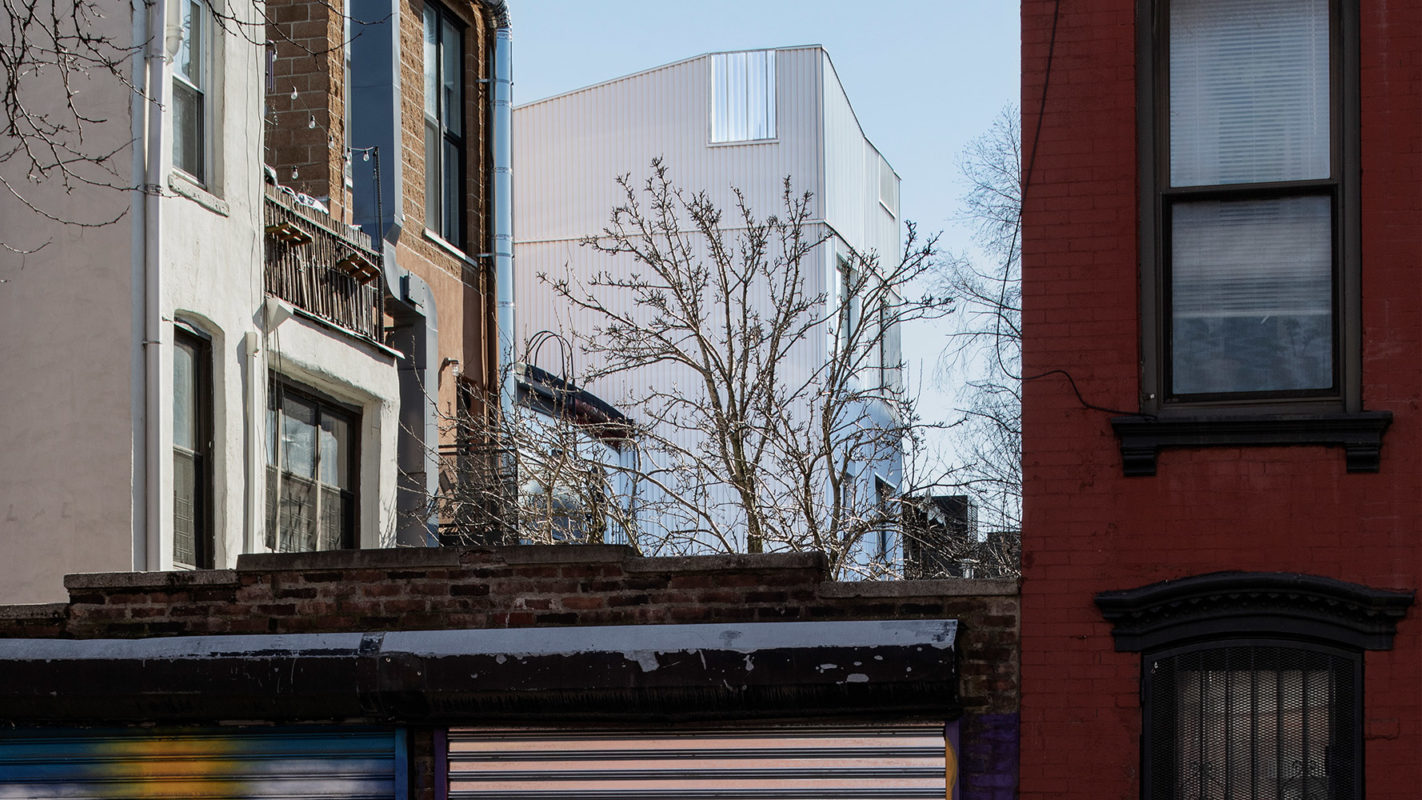
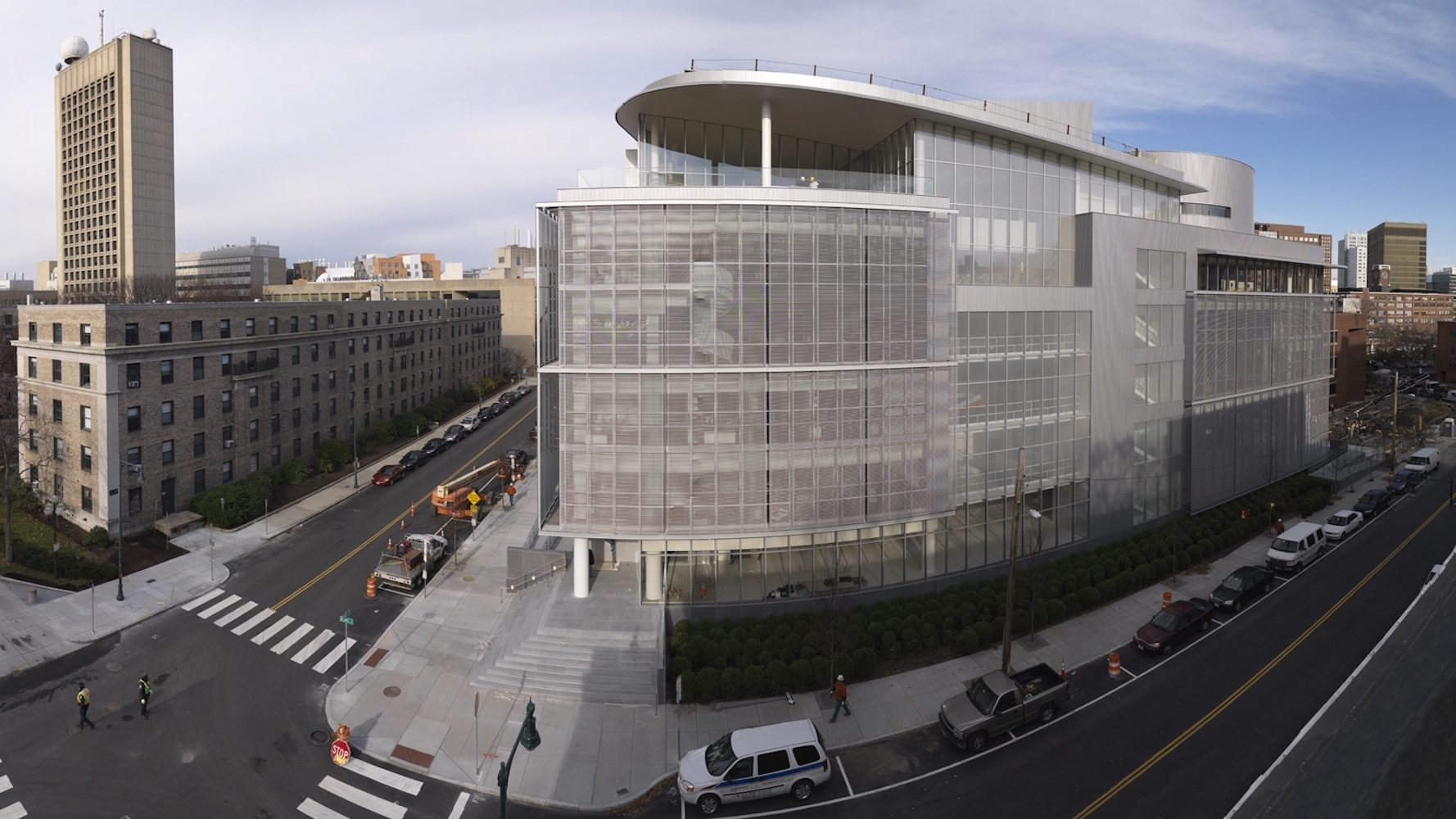
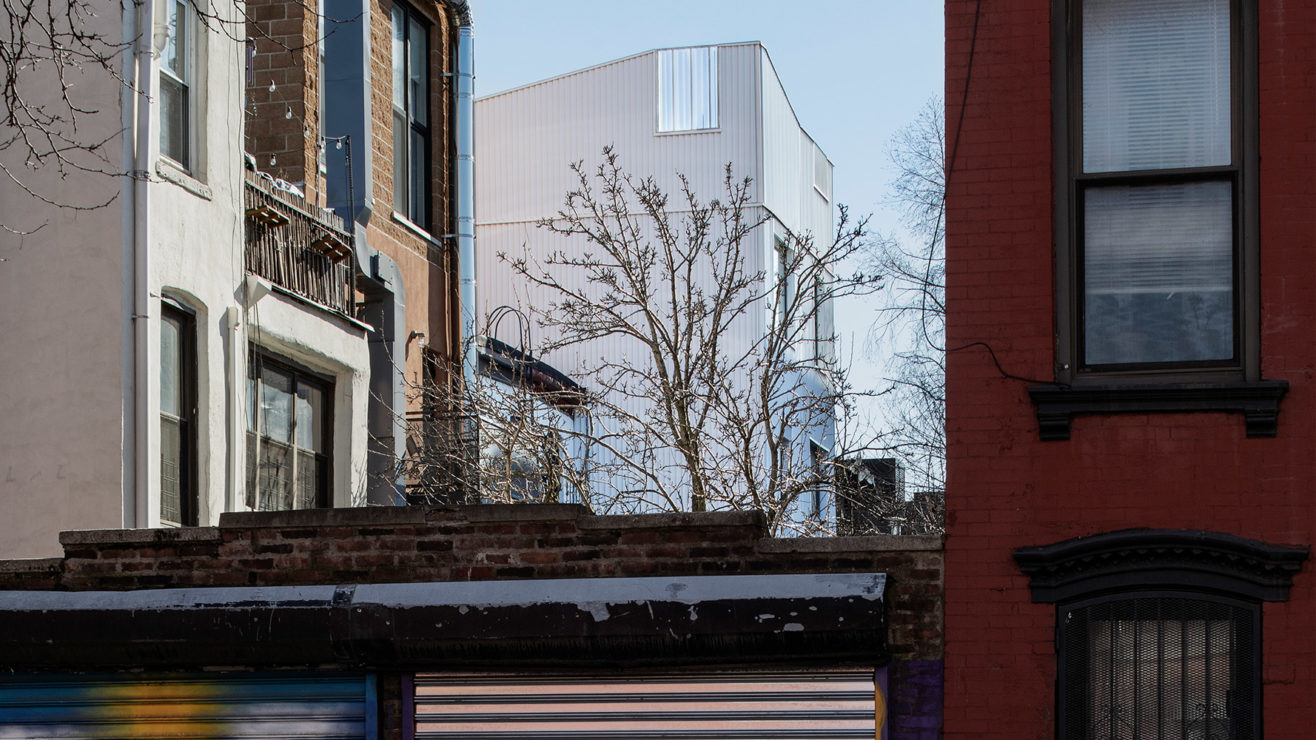
Monika A. and Charles A. Heimbold
Jr. Visual Arts Center, Sarah Lawrence College
Polshek Partnership
Photo:© Richard Barnes/Polshek Partnership
|

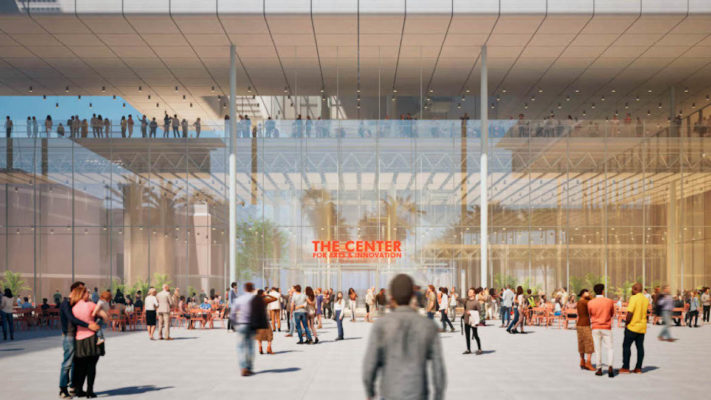
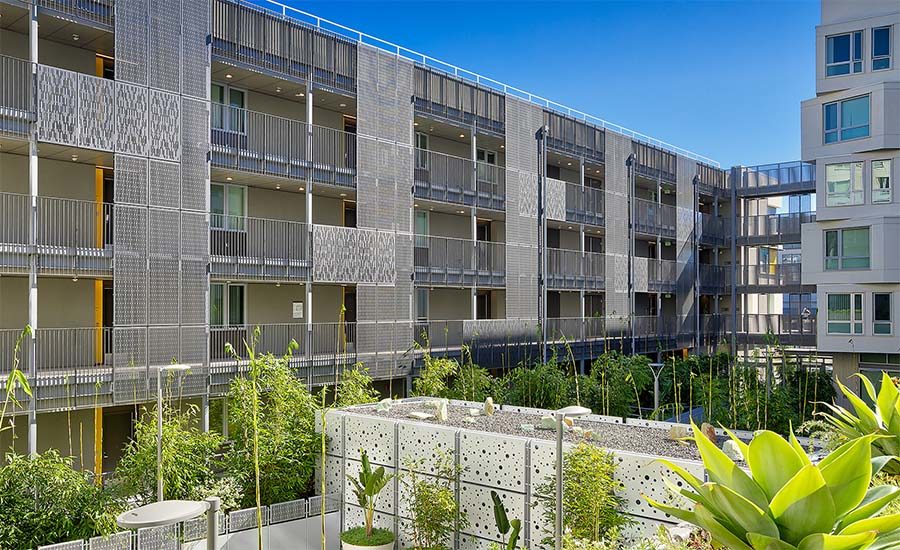
Seminar II, The Evergreen State
College
Mahlum Architects
Photo:© Lara Swimmer |

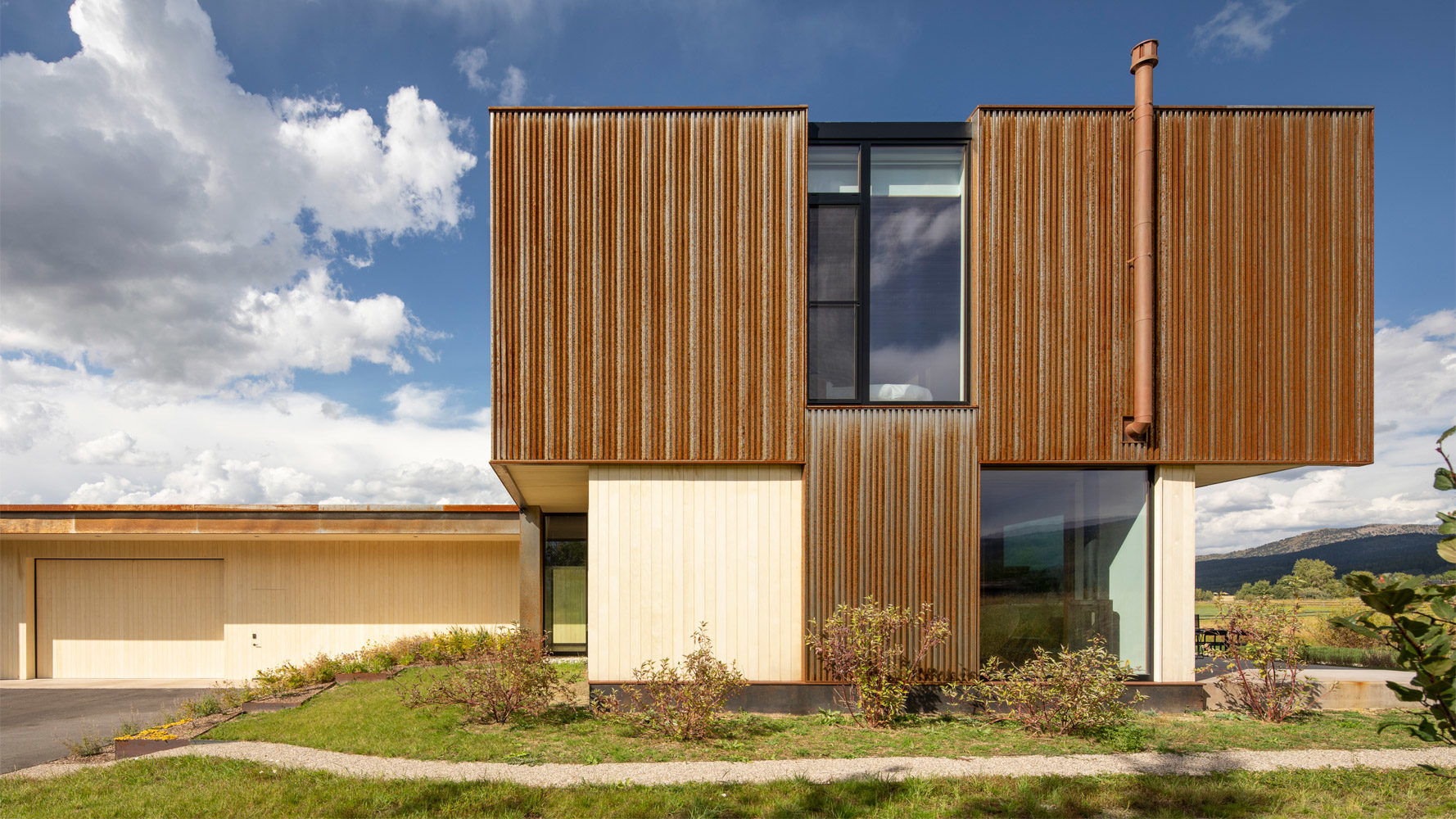
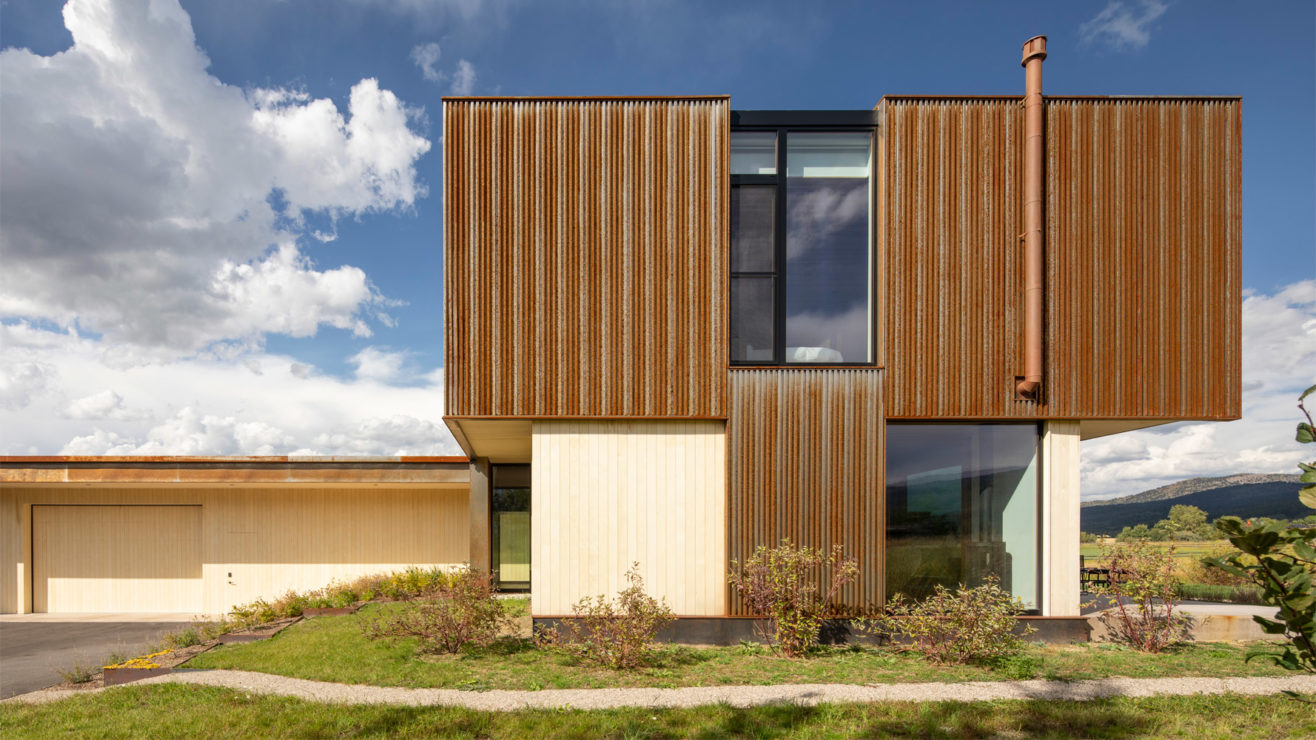
Eastern Sierra Residence
Arkin Tilt Architects
Photo:© Edward Caldwell Photography |

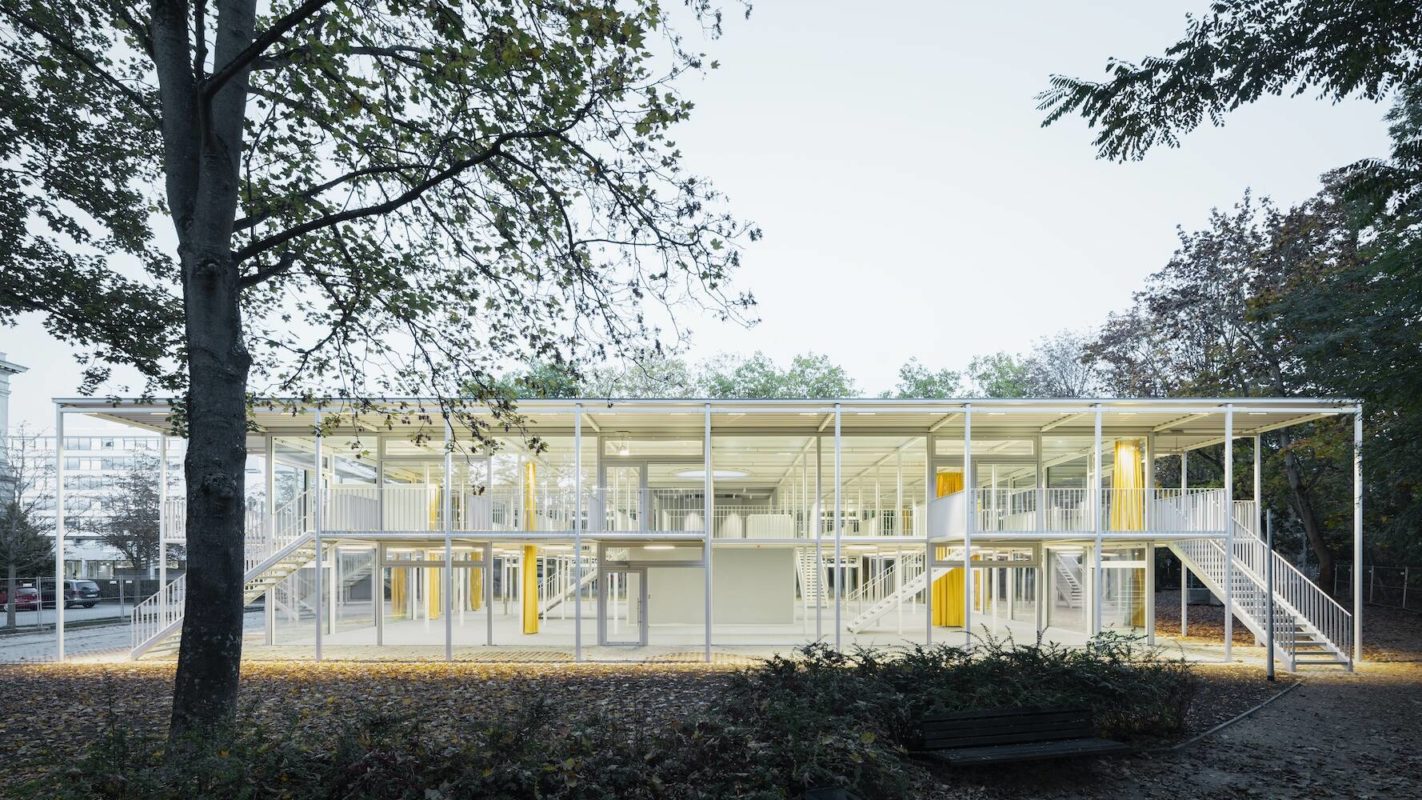
The Barn at Fallingwater
Bohlin Cywinski Jackson
Photo:© Mike Gwin |
The AIA's annual contribution to Earth
Day spilled over traditional categories, as the organization's
Committee on the Environment (COTE) honored eight green building
projects on April 25, and for the first time recognized a
sustainable urban plan.
The institutional, residential and civic projects (new construction
and adaptive reuse) address a broad range of environmental
and social conditions without stinting on design, according
to jury members.
The 2005 winners are: the Eastern Sierra Residence in Gardnerville,
Nevada by Arkin Tilt Architects; The Barn at Fallingwater
in Mill Run, Penn. by Bohlin Cywinski Jackson; Rinker Hall
at the University of Florida in Gainesville by Croxton Collaborative
and Gould Evans; the Pittsburgh Glass Center by Davis Gardner
Gannon Pope Architecture and Bruce Lindsey; the Austin Resource
Center for the Homeless in Austin, TX by LZT Architects; the
Evergreen State College Seminar II building in Olympia, WA
by Mahlum Architects; Sarah Lawrence College's Monika A. and
Charles A. Heimbold Jr. Visual Arts Center in Bronxville,
New York by Polshek Partnership Architects; and the Leslie
Shao-ming Sun Field Station in Woodside, Calif. by Rob Wellington
Quigley. The committee also awarded a special commendation
to the Lloyd Crossing Sustainable Urban Design Plan in Portland,
Ore. by Mithun Architects + Designers + Planners.
While acknowledging aesthetics and innovation, the selections
also reflect an expansive definition of environmentalism,
including issues of equality and social responsibility, according
to COTE chair Vivian Loftness, a professor of architecture
at Carnegie Mellon University. "It represents a leap
beyond the checklist approach," she says.
Among individual details, the jury appreciated LZT Architects'
use of a water storage tank as a sun shade on the Austin homeless
shelter and Davis Gardner Gannon Pope and Bruce Lindsey's
recycling of waste heat in the Pittsburgh Glass Center, according
to juror Henry Siegel, founding principal of Siegel &
Strain Architects in Emeryville, Calif. Overall, "it
was great to see projects that were well designed and green.
Both the metrics are important," he says.
Ted Smalley Bowen
|