|
By Larry Flynn
No matter their size or purpose, health-care
facilities have two things in common: They generate lots of
waste and consume huge amounts of energy. Disposing of contaminated
medical waste is an expensive and growing problem for hospitals
and research labs, with incineration now banned and landfilling
options limited to facilities in Utah or Texas. But a process
under development by a company co-founded by an architect
may offer a solution.
In the next 18 months, Medergy Corporation
of San Francisco expects to embark on projects at two hospitals,
one in Florida and one in California, to demonstrate how an
existing but little-used process called steam reformation
can detoxify contaminated and hazardous medical waste on-site.
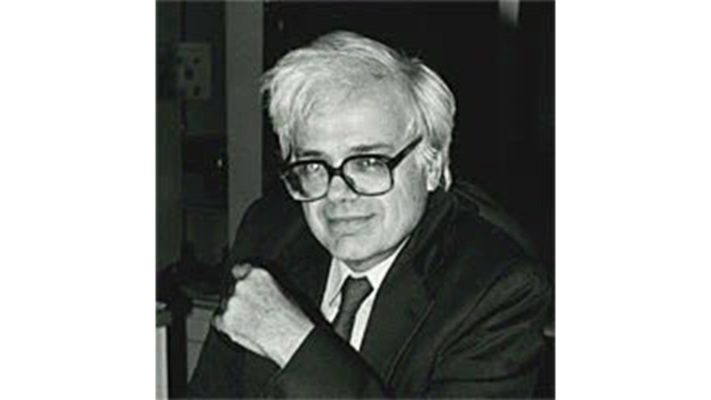
Medergy was founded by Derek Parker, FAIA, director of Anshen+Allen
Architects of San Francisco, with chemical engineer and entrepreneur
Terry Galloway.
Medergys demonstration projects
would feed up to 4 tons of medical waste a day into rotary
kilns, which are steam-heated at 1,900 degrees Fahrenheit.
The high temperature alters the chemical composition of the
waste, reducing its weight by 80 percent and rendering it
inert. The process produces a hydrogen-rich gas, known as
syngas, that can power fuel cells, which in turn could provide
electricity for the medical facilities. Carbon dioxide formed
during the process could be used to produce products such
as carborundum for sandpaper and abrasives or aggregate for
concrete and asphalt.
According to Parker, 4 tons of waste
a daythe equivalent of that produced by a 250-bed hospitalcould
be converted into 250 kilowatts of power without producing
any greenhouse gas emissions. The projected rate of return
on investment in the technology is four years, he says. Although
his new company is not directly related to architecture, It
has everything to do with design and health, he says.
Architects are trained as problem-solvers, and this
is simply an opportunity to use design to fix a growing problem
for our clients.
A feasibility study in 2003 funded by
the California Energy Commission (CEC) and the San Francisco
Public Utility Commission evaluated how the treatment process
might work in three San Francisco hospitals; the report summarizing
the results is currently under review by CEC. The first instance
of a fuel cell powered by syngas is planned for installation
in Bear Creek, Tennessee, during the next six months.
The footprint of the treatment device
is approximately 75 feet by 300 feet in size, and it can be
located with other mechanical equipment, Parker says. As the
technology advances, he adds, the size of the equipment will
likely be reduced to about the size of a household refrigerator.
|