|
By Nancy B. Solomon, AIA
Health and the health-care environment
Established in 1948, the Center for Discovery
is a not-for-profit health-care agency serving children and
adults with severe and multiple disabilities. It provides
a holistic range of therapies and educational opportunities
to this population on two adjacent residential campuses near
the Catskill Mountains in upstate New York. About 220 children
and adults live on-site, another 60 adults live in nearby
community residences run by the center, and about 500 people
from the greater community take advantage of its day programs
and services.

Patrick H. Dollard
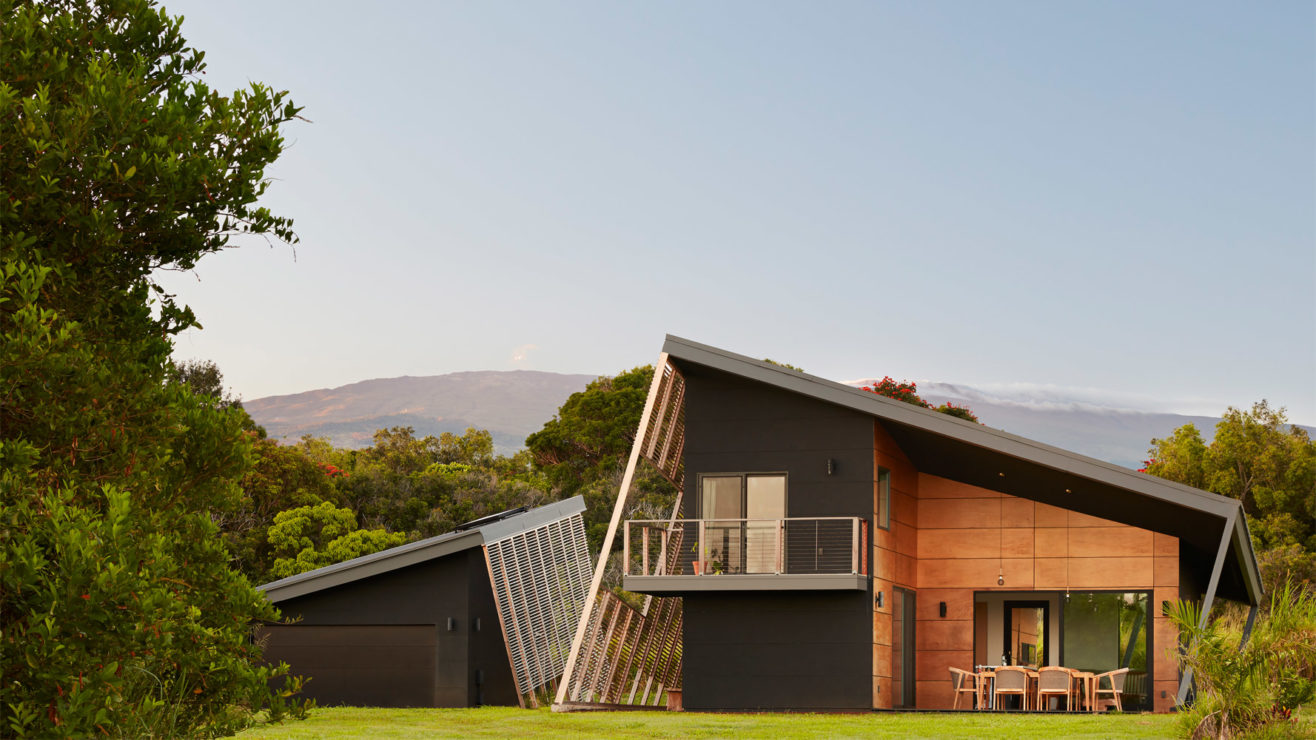
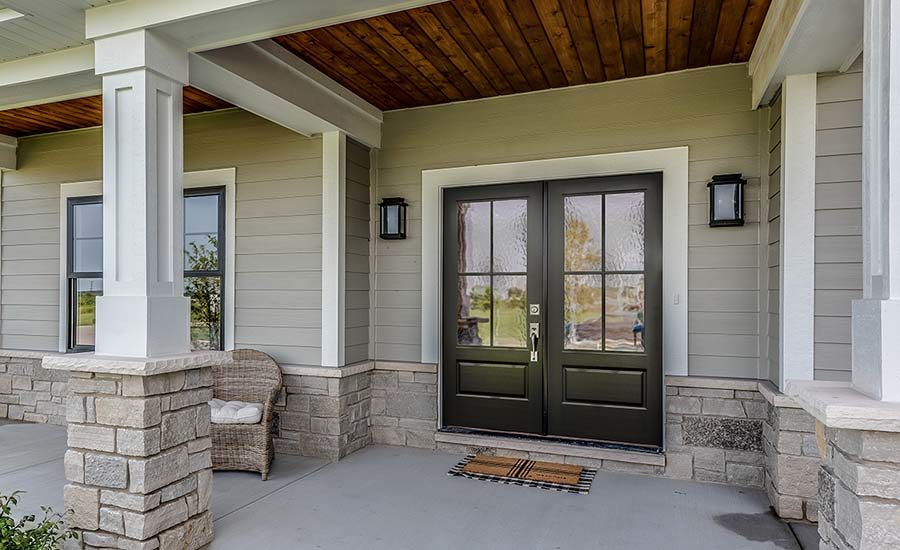
Discovery Health Center, Harris, New York
Photography: © David Allee |
|
|
Yet until recently, the center lacked
a centralized clinic that could address all primary medical
needs. Basic services were scattered across its properties,
and many routine diagnostic and treatment procedures could
only be obtained off-site. Transporting disabled residentsmany
of whom are confined to wheelchairsas far away as Manhattan
was inconvenient for the staff and stressful for the patients.
So, in 2000, Executive Director Patrick
H. Dollard engaged Guenther5 Architects of New York in the
design of an on-site ambulatory clinic. He didnt request
a green building, but health-care architect Robin Guenther,
AIA, who had been researching healthy materials for years
and had recently been exploring geothermal heating systems,
inquired if the center would consider alternative energy.
The existing buildings ran off oil, but, says Guenther, it
was a year when everyone thought that oil prices were going
to skyrocket. Needless to say, the client was intrigued.
So we started with energy, explains Guenther.
Incrementally, the design team began
raising other environmental goalsfrom nontoxic materials
to water-efficiency. It wasnt long before the executive
director recognized that sustainable design was consistent
with the organizations core values. The center had long
believed that the environment contributed to the health of
its patients, explains Guenther, but the administrators
had never really put it all together until the design of this
building. With this new realization, the executive director
decided that the proposed clinic should register with LEED,
thus becoming the first health-care project ever to do so.
|