home
subscribe
free e-newsletter free e-newsletter
reader service
widget
advertise
Subscribe to Architectural Record today
and save 60% off the newsstand price.
Features   Architectural Technology
----- Advertising -----
View all Record Blogs
View all
Reader Feedback
Most Commented Most Recommended
Rankings reflect comments made in the past 14 days

Zoom In

Experimental Media and Performing Arts Center (EMPAC), Troy, New York
By Deborah Snoonian, P.E.

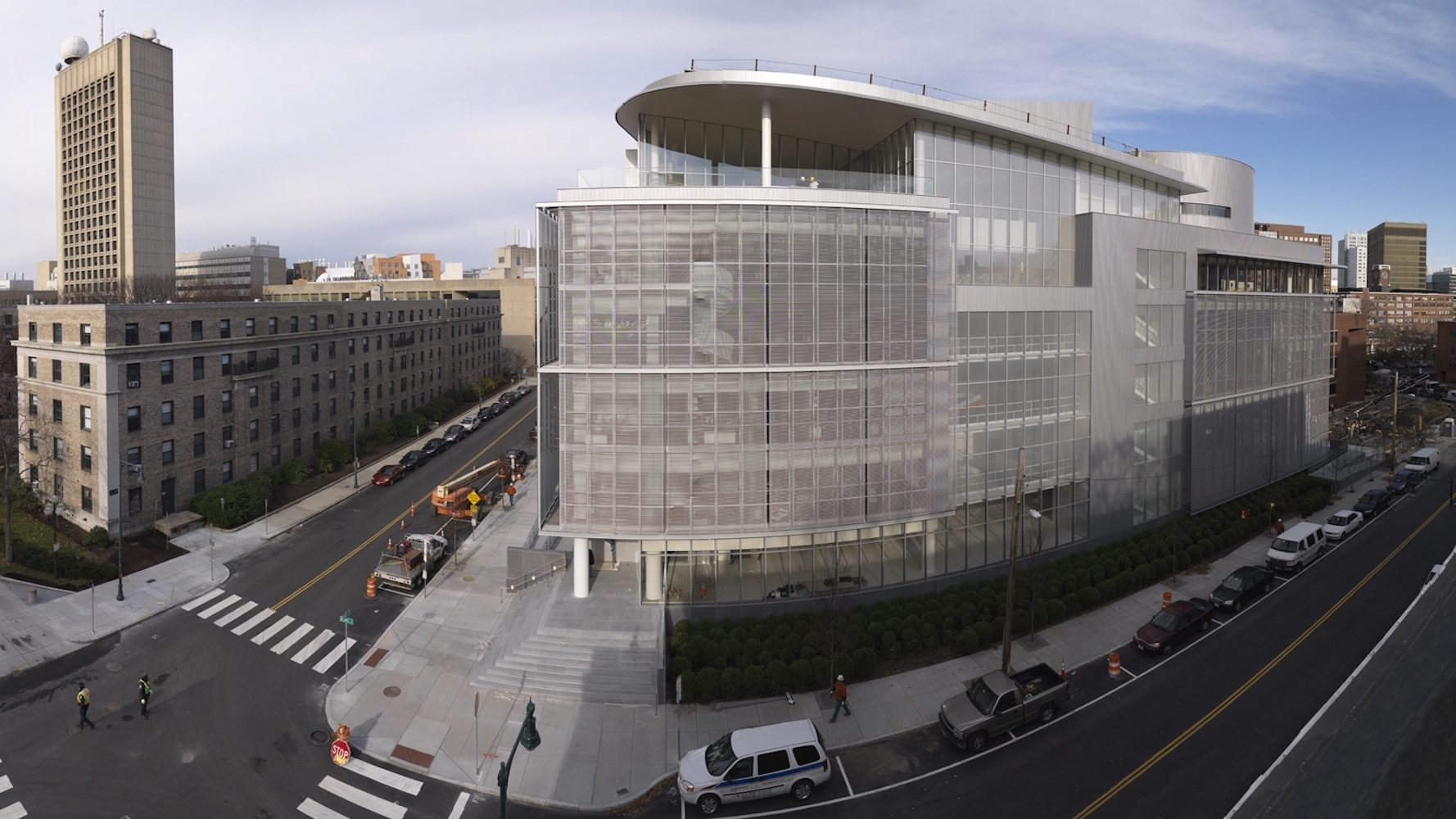
Rensselaer Polytechnic Institute’s new arts center aims as high in design, materials, and systems as it does in program. Rising at the edge of the university’s campus is the ambitious Experimental Media and Performing Arts Center (EMPAC), which will house traditional performance spaces for music, dance, and theater; high-tech galleries for experimental and digital arts; and professional-grade studios for audio and video production. Designed by Grimshaw Architects (with David Brody Bond as architects of record), the glass-enclosed, 203,000-square-foot structure features a hot-water heating system integrated into the mullions of the north curtain wall to mitigate the frigid drafts of upstate New York winters. Its 1,200-seat concert hall will be enclosed in a shiplike hull made of cedar planks; the audience will feel like they’re sitting inside a violin. Acoustical consultants Kierkegaard Associates tested 50 different fabrics for the concert hall’s hung ceiling before settling on Nomex, a canvaslike flame-retardant fabric more often used to make jumpsuits worn by NASCAR drivers. Slated to open its doors in 2007, EMPAC may just turn the modest town of Troy, New York, into an avant-garde arts mecca.


Click images to see larger view
1
2
3
4
5
 

1. EMPAC will be nestled into a hillside site at RPI.

2. For ease of production and assembly, the concert hall’s “hull” is divided into 12 sections, and the cedar planks arranged in a herringbonelike pattern; about a quarter of the planks will be milled with CNC machinery. The audience will enter via six conical portals in the hull.

3. The skylight, visible from the east entry, will be made from ETFE, an advanced material that’s related to Teflon. It weighs only 1 percent of the equivalent area of insulated glass, which allows the skylight to span long distances with few mullions. The skylight would cost four times as much if it were designed in glass.

4. German curtain-wall manufacturer Gartner proposed a facade-integrated heating system using hot water pumped through the mullions of the north curtain wall, the first large-scale application of this technology in the U.S. Engineers Buro Happold worked with Gartner to devise a proper zoning configuration for the system.

5. Panels of Nomex, an acoustical fabric, will be rigged like sails to steel posts installed in the concrete ceiling of the concert hall. Nomex reflects high-frequency sounds but allows low-frequency sounds to travel straight through and reverberate against the ceiling above. The walls of the hall will be made of cast stone.

Images: Courtesy Grimshaw


ADVERTISEMENT


resources | editorial calendar | submit work | contact us | about us | call for entries | site map | back issues | advertise | terms of use | privacy notice | my account
© The McGraw-Hill Companies, Inc. All Rights Reserved