










subscribe
e-newsletter
contact us
advertise
from our archive
Features   Architectural Technology
Off the Record: Recent Blog Posts
The blog written by the staff of Architectural Record
View all blog posts >>
Recently Posted Reader Photos

View all photo galleries >>
Reader Commented / Recommended
Most Commented Most Recommended
Rankings reflect comments made in the past 14 days
Rankings reflect votes made in the past 14 days

Tech Briefs
[ Page 1 of 2 ]

Questions about materials strain the fabric of USGBC’s big tent
By Ted Smalley Bowen

 
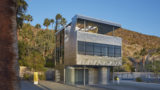
The USGBC is weighing credits for PVC and sustainable wood for future LEED projects. Above, EHDD’s Audubon Center in Los Angeles was the first to receive a LEED platinum rating.
Photography: © Cesar Rubio

As it gains influence and diversifies its portfolio of LEED rating systems, the U.S. Green Building Council is experiencing growing pains. The group riled many of its members recently with preliminary policy decisions on vinyl and sustainable wood. Critics contend the moves will weaken LEED, while defenders cite a need for further study and a willingness to engage the marketplace.

In December, the USGBC released for public comment a draft report from its PVC Task Group that advises against adding a LEED credit for avoiding the use of PVC-based materials. Many green-building advocates argue that PVC-based materials should be avoided because their production, use, and especially disposal release dioxins—persistent organic chemicals classified as known and suspected carcinogens—and other toxins. Dioxin is released when chlorinated materials like plastics and treated wood are burned. PVC-based materials can also leach toxic additives, according to some studies.

Industry representatives claim that while PVC production in North America has increased, dioxin levels have dropped as a result of improved production and disposal techniques. PVC production grew at a compound annual rate of 4.3 percent between 1992 and 2002, hitting 15.25 billion pounds in 2002, according to the Vinyl Institute, a trade group based in Arlington, Virginia. About 70 percent of PVC is used in construction, the institute claims. The EPA estimates that emissions of dioxinlike compounds in the U.S. dropped 77 percent between 1987 and 1995.

ADVERTISEMENT

It’s difficult to pin down how much dioxin PVCs account for, partly due to the complex interaction of materials and conditions when PVC is burned, according to EPA officials. Dioxin releases from municipal and medical-waste incinerators have fallen since the EPA began regulating emissions from those sources in the late 1990s, say agency officials, who add that PVC manufacturing is not a major source. Small-scale trash burning, mostly in rural areas, is the largest single source, they say; other sources include structural fires.

Manufacturers argue that vinyl is more sustainable than other materials. “Vinyl is maintenance-free, more durable, and lighter to transport,” says Tim Burns, president of the Vinyl Institute. “Many vinyl products are more energy-efficient than their counterparts.”

The PVC Task Group was formed in 2002 after industry members objected to the inclusion of a credit for avoiding PVCs in a draft of the LEED specification for commercial interiors. The group reviewed existing studies to compare the environmental and health impacts of PVC-based materials against alternatives used in siding, pipes, flooring, and windows. These included aluminum, wood, fiber-cement, cast iron, linoleum, and cork. Nigel Howard, vice president of LEED and international programs at USGBC, noted that with their relatively low release of particulates, PVC-based materials compared favorably in terms of occupational health.

The panel relied on both life-cycle analysis (LCA) and risk assessment for gauging human health impacts. LCA, a cradle-to-grave assessment of a material’s environmental impact and cost, is a complex (and some critics say easily manipulated) methodology; nonetheless, the USGBC will rely on it increasingly, Howard said.

The council’s position undercuts the market for alternative materials, according to some green-building advocates. “USGBC is trying to create flexibility,” says Rob Bennett, a senior program manager in Portland, Oregon’s office of sustainable development. “We’re very much in the business of incremental change, but from our perspective, this doesn’t help.” Still, some manufacturers see avoiding potentially harmful substances as good business, says Mark Rylander, AIA, an associate partner with William McDonough + Partners and 2004 chair of AIA’s Committee on the Environment (which is staying out of the fray).

Many designers are expected to remain cautious about PVC. “Their view is, ‘we’re not going to spec it anyway,’ ” says one consultant, who asked not to be named. The consultant noted that overseas groups like the Green Building Council of Australia do credit efforts to minimize PVC use.

Some critics say USGBC’s report rejects the precautionary principle, which essentially requires proof of safety rather than definitive proof of harm. “We’re trying to take a precautionary approach to promoting change,” Howard said. “But the task group didn’t find any clear pattern in the results.”

A wide range of environmental, industry, and health groups have weighed in on the draft. The public-comment period was slated to end February 15, after which the task group is due to issue a final report to the LEED Steering Committee, the final arbiter on policy changes.

USGBC has also proposed recognizing a wider range of sustainable forestry programs in the LEED rating system. LEED currently awards a “renewable materials” point for wood certified by the Forestry Stewardship Council, a nongovernmental organization. Proposed changes for LEED for new construction include the addition of a point for using wood and other natural materials from programs like the industry-led Sustainable Forestry Initiative, the Canadian Standards Association, and the Sustainable Agriculture Initiative.

As of press time, the USGBC hadn’t signed off on the vinyl or wood decisions. Meanwhile, the stakes are rising, as more cities adopt LEED as a standard for public buildings, and some like Boston and Portland are expected to require certification for private-sector projects as well.


[ Page 1 of 2 ]
Special Subscription Offer: Get Architectural Record Digital Free!
© 2008 The McGraw-Hill Companies, Inc.
All Rights Reserved