subscribe
e-newsletter
contact us
advertise
from our archive
Features   Digital Practice
Off the Record: Recent Blog Posts
The blog written by the staff of Architectural Record
View all blog posts >>
Recently Posted Reader Photos

View all photo galleries >>
Reader Commented / Recommended
Most Commented Most Recommended
Rankings reflect comments made in the past 14 days
Rankings reflect votes made in the past 14 days

Tech Briefs
[ Page 1 of 3 ]

The Times banks on a mock-up to try out systems for its new building
By Deborah Snoonian, P.E.

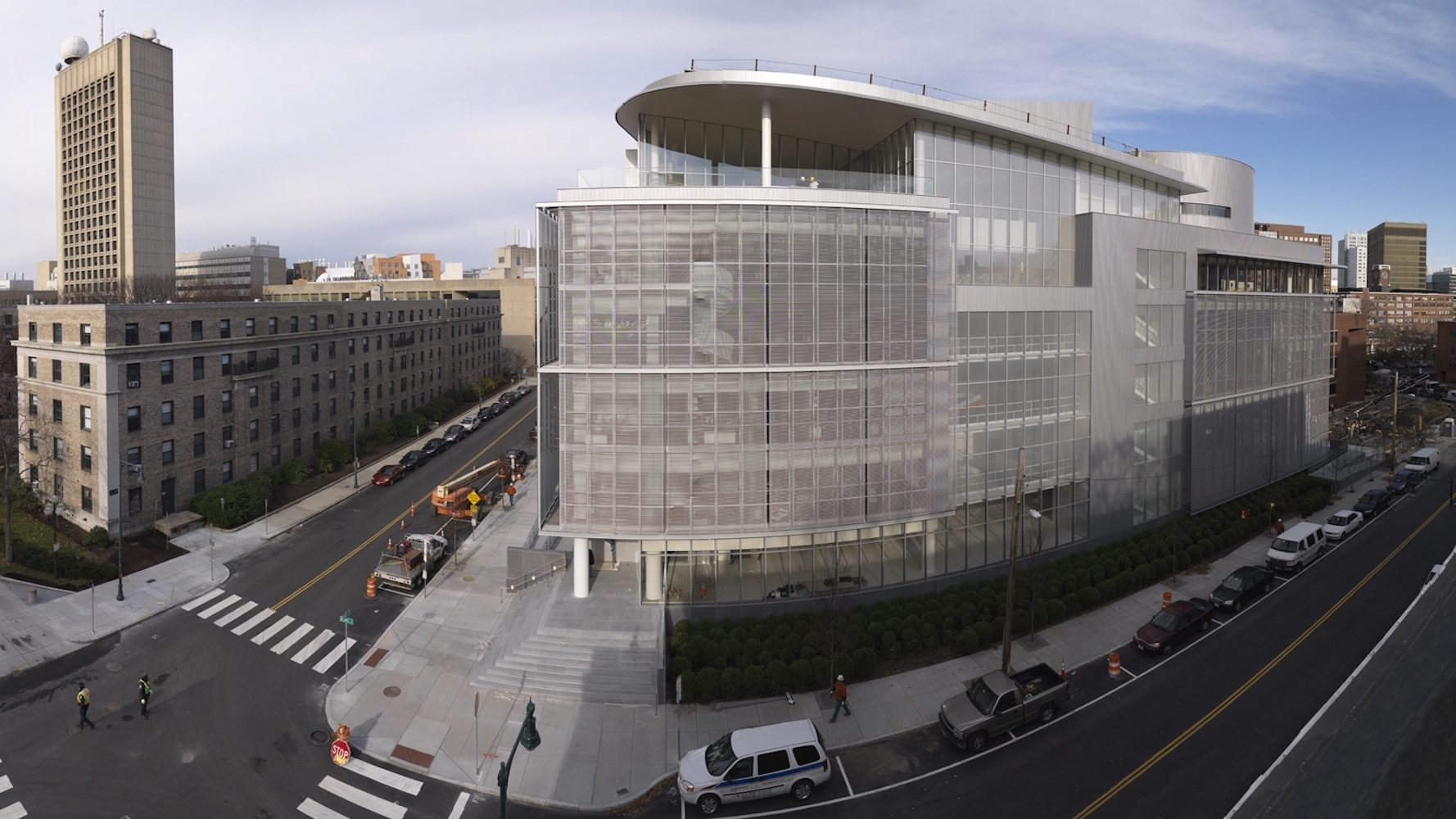
Just a stone’s throw from The New York Times’ printing plant in Queens stands a glimpse into the company’s future: a 4,000-square-foot mock-up of its planned Manhattan headquarters. This one-of-a-kind laboratory for kicking the tires on everything from lighting systems and furnishings to the facade itself is giving The Times a leg up on how its new building will work long before its foundation is dug—and is saving money in the process.


The mock-up replicates the southwest corner of The Times’ planned building (left). During sunset, its glass-and-ceramic facade is awash in a colorful glow (right).
Photography: © Jock Pottle/Esto (top left); David Joseph Photography (top right)


The original plans for a mock-up were much more modest. “We were going to test furniture layouts in a warehouse in Manhattan,” says David Thurm, vice president of real estate development for The Times. But after the 2000 unveiling of Renzo Piano’s model of a fully glazed tower, partially shaded by ceramic rods, the company initiated discussions with engineers, manufacturers, and researchers. “The design is innovative, and that’s important to us.

We wanted to ensure we’ll end up with a high-performance, energy-efficient building,” Thurm says. At a January 2003 meeting, scientists from Lawrence Berkeley Laboratories (LBL) suggested creating a test bed where actual lighting conditions could be measured and compared to values predicted in computer models.

The Times agreed, and the mock-up opened in December 2003.


Photography: © David Joseph Photography


The structure stands today just as envisioned by Piano and architect of record Fox + Fowle. Four companies manufactured its one-of-a-kind facade. Interior architect Gensler designed the offices, cubicles, and open spaces, using furnishings from multiple manufacturers. Susan Brady Lighting Design specified the different lighting and shading systems under scrutiny. For LBL’s “solstice-to-solstice” research program, funded by a grant from New York State’s energy agency, 90 sensors silently collect real-time information on indoor temperatures, lighting levels, and reflectivity as ambient lights dim and automated shades rise and fall in response to the sun’s intensity.

These efforts will pay dividends when it comes time to break ground. “The building’s systems

will be affordable and easy to commission” because of the studies, says Thurm. The human touch is being given its due, too: Times employees will be allowed to work at the mock-up this spring to test-drive its comfort. Piano’s design, it seems, is as innovative as The Times’ approach to getting it built. “We think all buildings should be done this way,” Thurm says.

ADVERTISEMENT


[ Page 1 of 3 ]
Special Subscription Offer: Get Architectural Record Digital Free!
© 2009 The McGraw-Hill Companies, Inc.
All Rights Reserved