|
Fall conference presents new
case studies in digital collaboration
By Deborah Snoonian, P.E.
When architects gathered in San Francisco
last October for Connecting the Dots, a three-day event aimed
at practitioners and planned by the AIAs Technology
in Architectural Practice (TAP) committee, the theme that
emerged was one thats been pressed on the profession
since CAD has come of age: Take Back the Process. But unlike
in years past, case studies were presented that indicate its
now feasible for firms of all sizes to combine digital tools
with new methods of collaborating with partners to make design
more information-rich and less production oriented.
Tom Brady, AIA, gave a presentation about
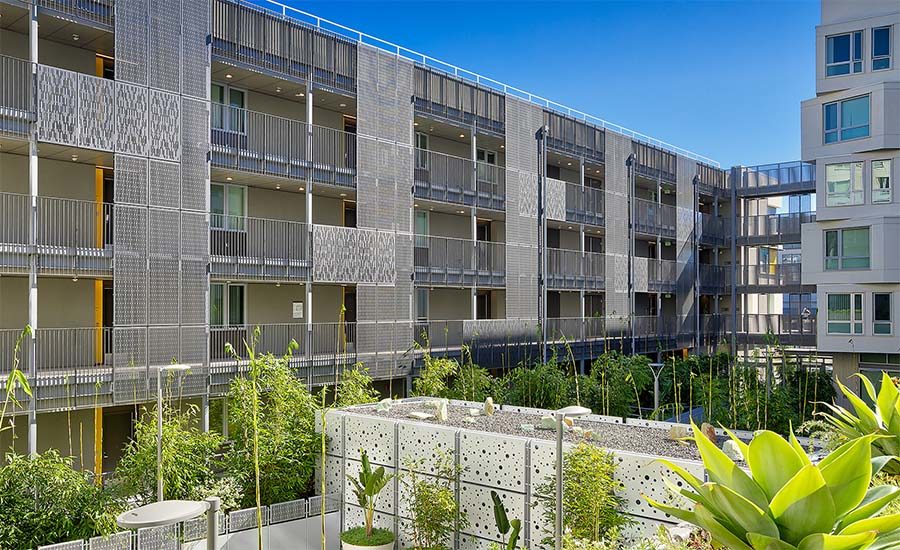
the ongoing construction of the Letterman Digital Arts Center
in San Francisco, a campus of several buildings designed with
standard, off-the-shelf CAD software. The builders are using
a digital 3D model instead of drawings as the basis of construction.
They are finding that the time invested in making the
model has already paid for itself many times over, because
theyre able to detect conflicts you cant see in
2D drawings, says Jonathan Cohen, AIA, TAPs chair.
Also during the conference, representatives
from two organizations, the Project Alliance in Australia
and the Private Finance Initiative in England, were on hand
to provide insight into ways to partner with contractors and
other parties to reward risk and limit liability for the project
team. Architects in the U.S. could use such models as a basis
for their own practices, said Cohen.
To bring the event full circle, representatives
from leading software companies like Autodesk, Bentley Systems,
and Graphisoft were assembled in a panel discussion, where
attendees posed questions about how their tools were evolving
to accommodate new ways of teaming with building partners.
Cohen added that more than 250 people attended Connecting
the Dots, and many of the attendees were firm principals,
rather than IT managers, as they have been in the pastindicating
increasing interest in and commitment to transforming architectural
practice.
|