Cadaval & Solà-Morales
Cadaval & Solà-Morales moves easily between multiple cultures.
Since launching their firm in 2003, Eduardo Cadaval and Clara Solà-Morales have honed an eye for detail, color, and texture while developing an approach to spatial issues that balances adventure with simplicity. Their work brings together in a single vision the experience and cultures of three different countries: Mexico, where Cadaval was born and studied; Spain, or more specifically Barcelona, where Solà-Morales, daughter of the late architectural historian and critic Ignasi Solà-Morales, was raised and studied; and the United States, where the couple met at Harvard and first settled in New York. They now maintain their practice in Barcelona, with a second office in Mexico City.
Based on what you have seen and read about this project, how would you grade it? Use the stars below to indicate your assessment, five stars being the highest rating.
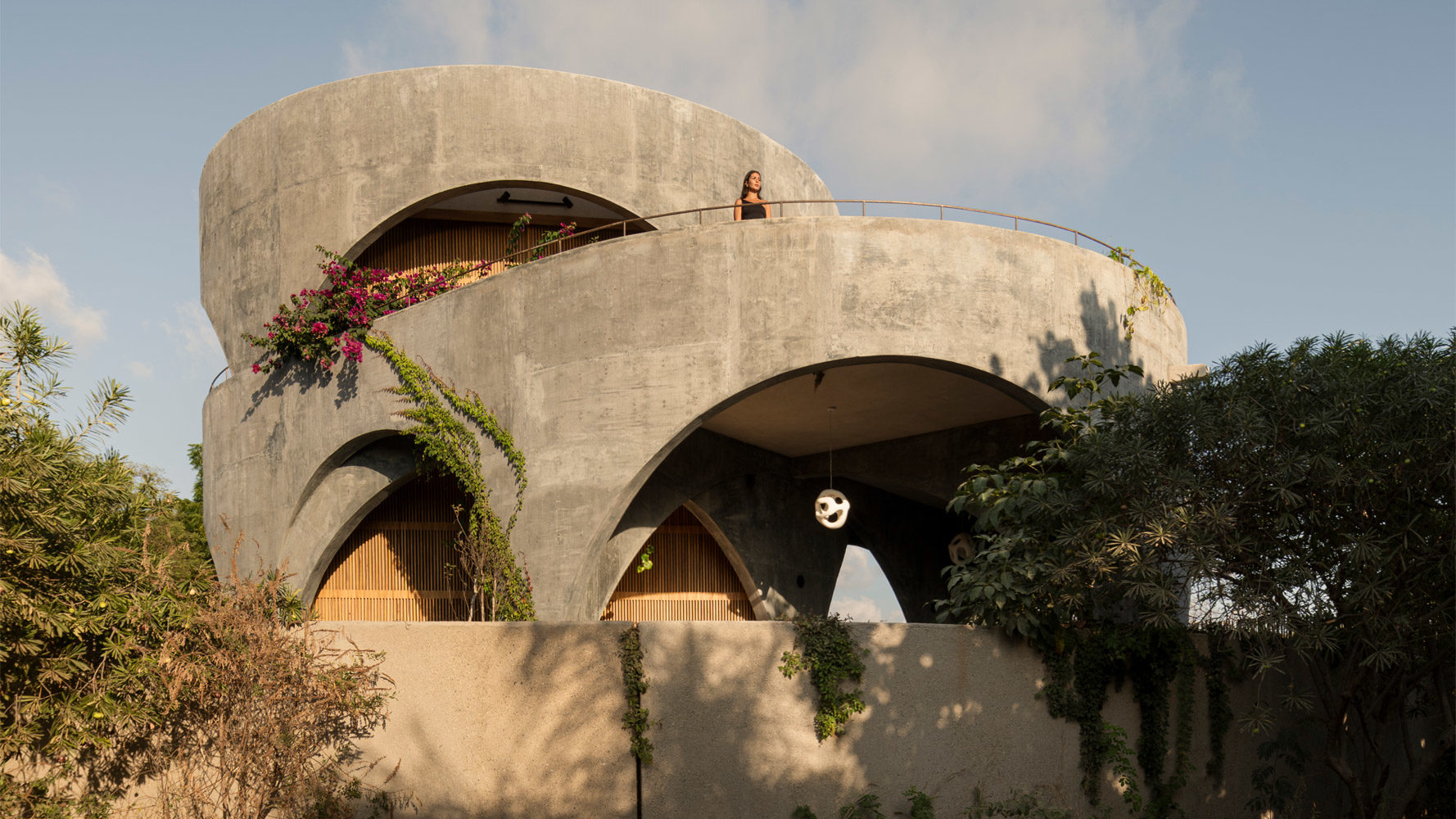
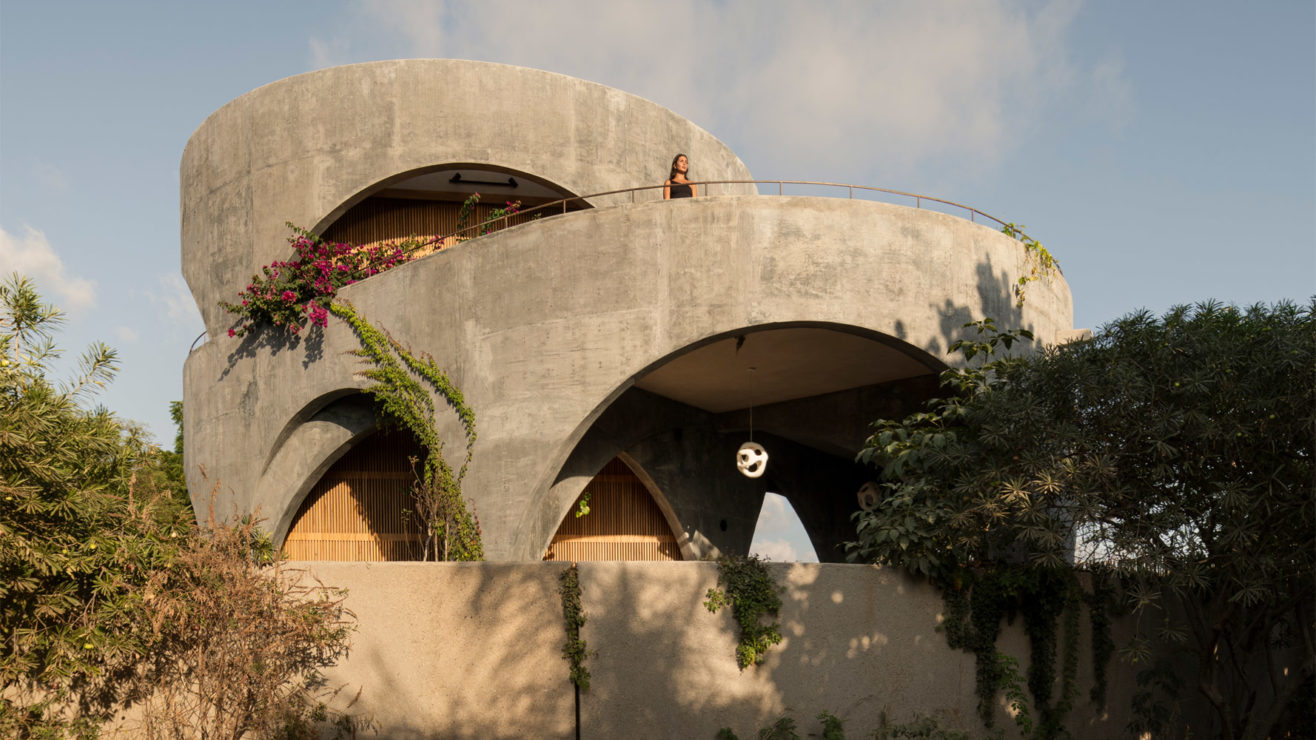
A beach house in Puerto Escondido, Oaxaca, displays many of the firm’s salient traits. A vertical assemblage of three concrete boxes, it thrusts up with an open-air viewing space on top of a four-story tower and then out with a bedroom box that cantilevers 16 feet to shade a pool terrace below. With its simple volumes, rough textures, and bright color accents, the design brings to mind a local architectural tradition rooted in the work of Luis Barragán, but also refers to weekend houses of the Costa Brava from the 1950s and those of Long Island from the 1960s and ’70s.
The husband-and-wife team began working in New York as a neutral territory, but decamped to Barcelona with the winning competition design to refurbish the interiors of the Pedralbes Palace, a former royal residence built in the 1920s and now used by the regional government. Confronting rooms that had suffered many reforms over the years, they decided to “strip out the scenography, clean up the spaces, and dress them with a few contemporary details,” says Solà-Morales. The architects have used a similar strategy for their apartment renovations in Barcelona and Madrid. “Our approach is to organize an apartment correctly, discover its potential, and then clean it up and make it livable,” explains Cadaval. “We don’t think it should end up looking like a fashionable restaurant.”
Cadaval and Solà-Morales have found greater freedom in commissions for temporary projects, such as the installation of a show in Madrid dedicated to the sculptor Susana Solàno, in which they used panels made from honeycomb door cores to give an intimate scale to the work. For a wedding in Barcelona’s Botanical Garden, they created a 260-foot-long dining table that snakes beside a reflecting pool, following the triangular geometry of Carlos Ferrater’s 1999 design for the garden.
Solà-Morales says one reason the couple came to Barcelona was for its wealth of competitions and the chance to do public projects, such as their proposal for a library in the medieval coastal town of Llança. But so far their practice has thrived mainly on small private commissions, as would have been the case in New York. Cadaval explains that the firm aims for designs “that are avant-garde today, but will also be avant-garde in 15 years.” He adds, “If you look back at the excesses of the Modern movement, or Postmodernism, the most important works remain because they didn’t resort to easy tricks. They’re solid.”
Subscribe to Get Free Architectural Record newsletter | Architectural Record in print | Back Issues | Manage your subscription | Get Architectural Record digitally