Back
What Is the Future of Los Angeles?


Frank O. Gehry, FAIA
Principal, Gehry Partners, Los Angeles


Frank O. Gehry, FAIA. Photo © Thomas Mayer

AR: You are held up as an example of how Los Angeles has been able to foster new
talent. Is that still the case?

FG: It’s easier to try new things here, because we use an inexpensive stick architecture. You don’t have to be in the spotlight; you don’t have to be self conscious. I don’t think that’s possible in New York, for example. In some sense, everyone is in everyone else’s business. It felt claustrophobic to me.

AR: So architects can develop here because they can fly under the radar?

FG: It’s still okay, here. I’m under scrutiny, but the younger guys are not. New York is more intense.

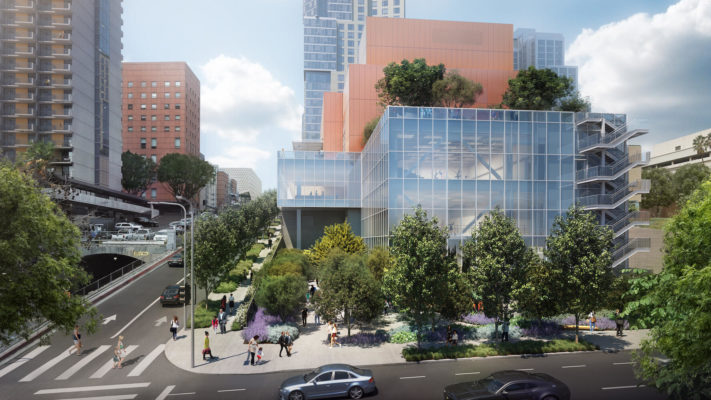
AR: The big project in Los Angeles nowadays is Grand Avenue, covering several blocks next to Disney Hall, which you are master planning. Is this a way to rethink the nature of Los Angeles?

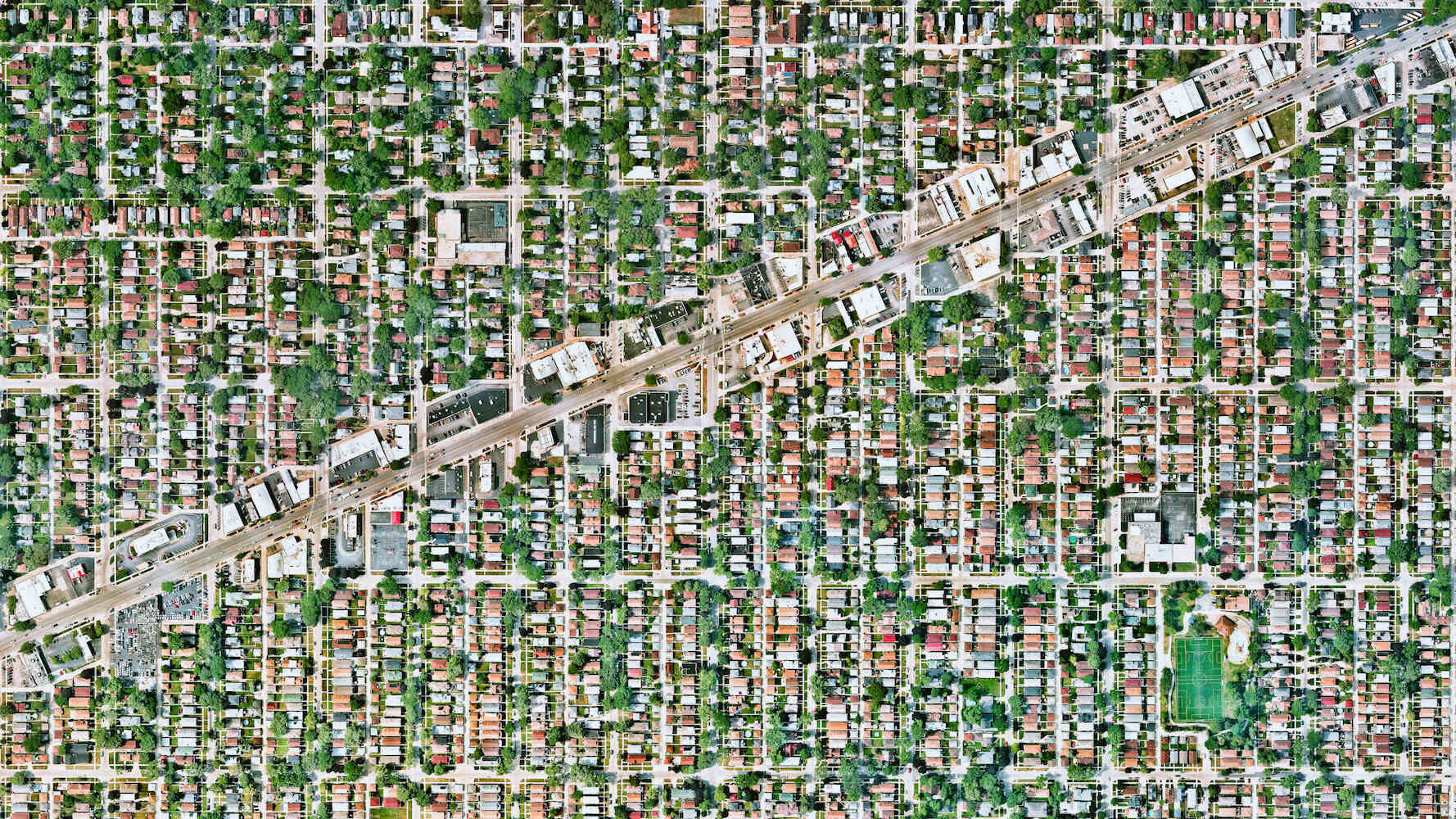
FG: Grand Avenue is an opportunity, but it’s not there yet. L.A. has yearned for a long time to have a downtown like San Francisco or eastern American and European cities. But it wasn’t built that way. It’s an automobile city, spread out. It doesn’t have a center, and so people use little mini centers close to where they live.

AR: Does this mean you are trying to deliver what some have called a 19th-century downtown?

FG: Our client wants to build hotels, condos, a market, stores, and restaurants. That’s not enough pieces to make a downtown. Disney Hall, the Chandler Pavilion, and MOCA form the beginning of a cultural enclave; we’re trying to connect the development to it and pull it all together. You start to build a DNA into the project that has some attraction over time, that creates relationships. It shouldn’t mean that it must be guaranteed to go a certain way. The next phase could be by Thom Mayne.

AR: Is this an opportunity to redefine what downtown is?

FG: There’s no consensual understanding of what the downtown should be among the city, county, and the developers. If such a consensus existed, you’d know what parameters you are working with. So you have to speculate.

AR: In Berlin’s DG Bank project [record, October 2001, page 120], you worked with very tight urban-design constraints on Pariser Platz.

FG: You don’t have to go to such an extreme. There’s a lot of room between that and what L.A. has. If you look at the buildings around the Pariser Platz now you can see that they are all different. The controls didn’t work. I don’t think it’s possible to legislate that stuff.

AR: Is there some part of the city that represents 21st-century L.A. to you?

FG: Look at Ventura Boulevard. It evolved since the war into a commercial district that’s the center of the San Fernando Valley. Every kind of building is there. The constraints—of budgets and so on—left a kind of consensus about materials and form that’s visually quite coherent. It’s exhilarating. The buildings weren’t legislated. They were affordable, what you could get. It’s not architecture, it’s not sophisticated, and nothing other than an expression of 30 years of people living out there, creating this place haphazardly under the auspices of democracy. I think in 10 years there will be a committee to protect its character.

AR: That answer suggests that architects aren’t essential to the creation of an exhilarating place.

FG: I don’t know. It’s not that it’s so good, though you can see Schindler subsumed in it. But it is exhilarating like Las Vegas is. You don’t understand it.

AR: How do you see the future of L.A.?

FG: I guess it is self-serving, but I wouldn’t have thought 10 years ago that Frank Gehry or Thom Mayne would be doing major commercial projects in downtown L.A. That opens the door to people like Michael Maltzan and Kevin Daly. Optimism has always been a key aspect in architectural history here.

Back

May 2006

Home | A special supplement to archrecord.construction.com | © 2006 The McGraw-Hill Companies, Inc. All Rights Reserved