|
|
Return
to work |
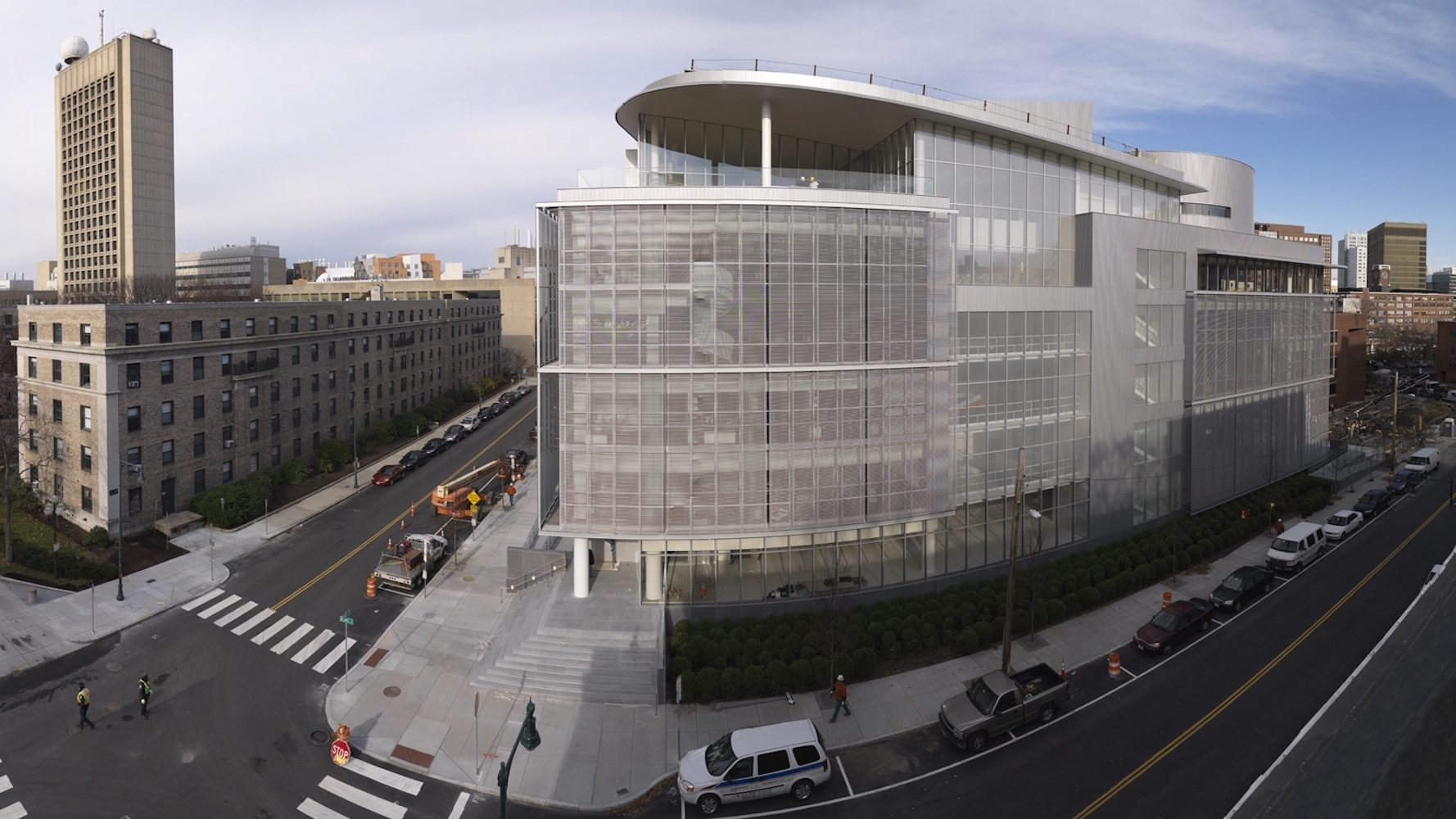
Marisa Angell, a doctoral candidate in architectural history at Yale, was in Berlin "doing some language work," she noted, but she also intended to go out and see the architecture of the city. "But I realized I was spending more time in museums than going out to see the buildings I wanted to see and photograph while I was there," Angell said, "and I tried to think about why that was." The answer she came up with has something to do with the explanatory nature of museums, and it inspired her to begin thinking about her academic home, New Haven, as the basis for a new kind of museum, one that takes the buildings of the city itself as its exhibitions. She calls the project the Urban Museum of Modern Architecture, or UMMA. Angell began to work on a series of brochures for seven of New Haven's most important buildings: Paul Rudolph's Yale Art and Architecture Building and Crawford Manor; Eero Saarinen's Ingalls Hockey Rink; Louis Kahn's Yale University Art Gallery and the Yale Center for British Art; Robert Venturi and John Rauch's Dixwell Fire Station; and the Beinecke Rare Book Library, by Gordon Bunshaft of SOM. "The common thread
in this project is that all of these significant buildings were constructed
within a 20-year period in New Haven," said Richard Garber of Emergent
Office, an architecture firm that worked with Angell on the project. Emergent
Office designed the seven "INFObjects" that hold the brochures
that Angell wrote. But the INFObjects also disseminate information about
the projects through the texts that are printed on them. Each INFObject
responds to the building "Marisa originally came to us to ask about off-the-shelf booklet racks," said Nicole Robertson, the other partner in Emergent Office. The brochures were designed by the third member of this collaboration, graphic designer Christine Moog. Each brochure tells the history of its subject, and some show other works by the same architect, or buildings that the one under discussion was influenced by, or a picture of the site before the current structure went up. But none have pictures of the buildings. "I wrote the text in a way that would encourage people to turn the same eyes to architecture that they use when they walk into a museum," Angell said. Each brochure also contains a map to the other UMMA sites, so that visitors can create their own walking tours. The INFObjects and brochures will be displayed at least through December 2003. "The INFObjects have weathered pretty well so far," Garber said, "except for the one at the Ingalls Hockey Rink, which gets whacked at by every little kid with a hockey stick." By Kevin Lerner |
|
||||
|
||||||