home
subscribe
free e-newsletter free e-newsletter
reader service
widget
advertise
Subscribe to Architectural Record today
and save 60% off the newsstand price.
comment

Christian Unverzagt  

M1/dtw: Mixing architecture and graphics

By David Sokol

Detroit-based architectural designer Christian Unverzagt was doing interdisciplinary work before he knew the phrase. As a skateboarding teenager in the 1980s, he says, “We had to create our own landscape, so I would design and build backyard ramps. And I would design the flyers to raise money for them. I was producing a brand.”

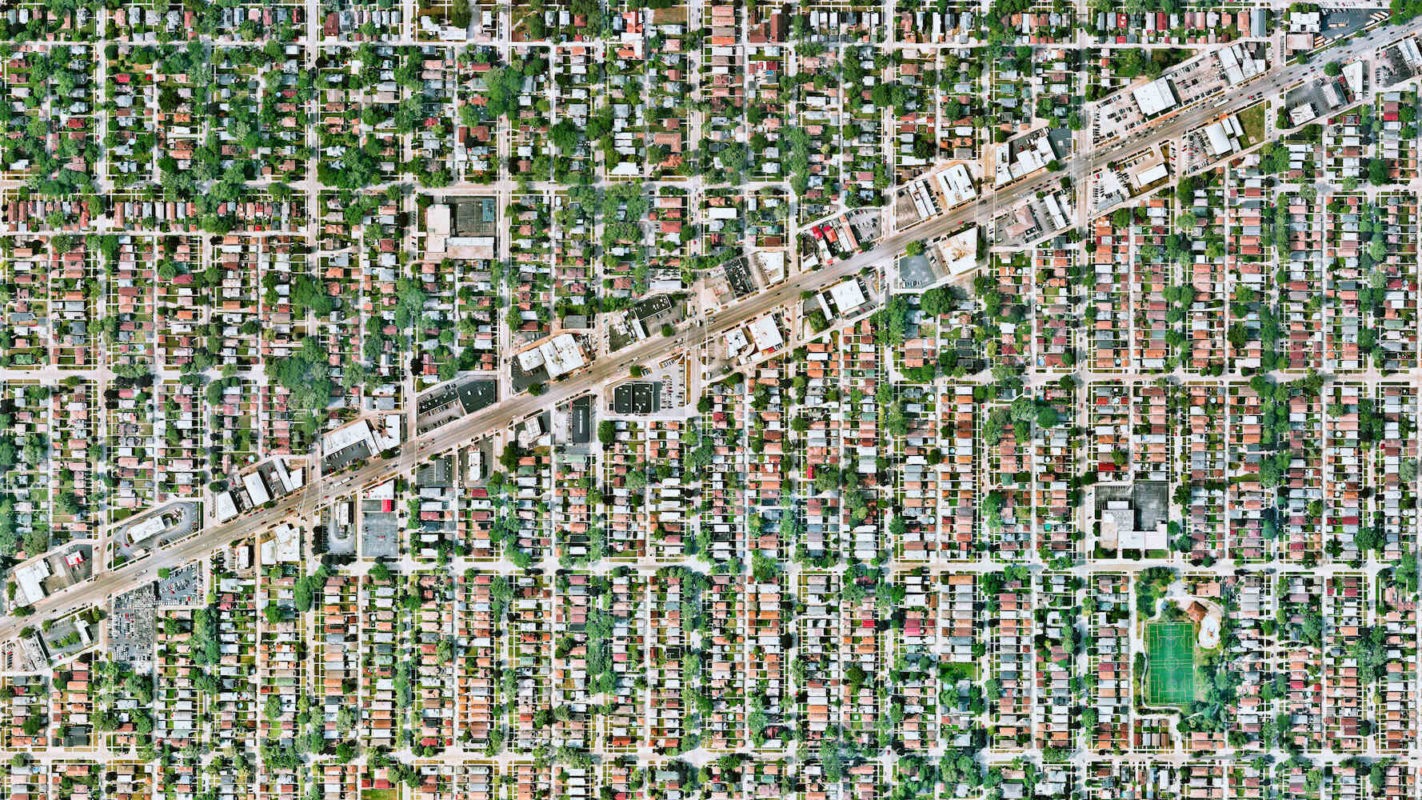
Pleatscape, New York City, unbuilt
Image courtesy M1/dtw
Architecture at Michigan, University of Michigan, 2006


To view all projects click here.

Rate this project:
Based on what you have seen and read about this project, how would you grade it? Use the stars below to indicate your assessment, five stars being the highest rating.
----- Advertising -----

The do-it-all-yourself attitude accompanied him to academe. In his senior year at the University of Michigan College of Architecture and Urban Planning, Unverzagt coedited the in-house journal Dimensions and learned typography from a fellow staffer. The following year, 1995, the college launched the Michigan Architecture Papers (MAP), which documents important annual lectures. Unverzagt, still living in Ann Arbor, served as the founding designer. Even during a five-year stint in Los Angeles — he would return as a member of the faculty in 1999 — he has always had some involvement in that book series, and today he serves as the advisor to Dimensionsand creative director of the college, renamed for donor A. Alfred Taubman also in 1999. “For me, print work, whether it was a poster or a book, was an opportunity to get something made,” Unverzagt says of incorporating graphic work into his career. “The material quality of the paper, the ink, the manufacturing process — there was a desire to learn from people who could make the stuff, I was figuring out where I could intervene, and it set a tone for working with fabricators later on.”

As at Taubman College, Unverzagt embraces graphic design at M1/DTW, the studio he founded with now-former-partner Chris Benfield in 1999. MAP 10: Diller + Scofidio, printed in 2004, represents one high point of Unverzagt’s materialist approach to graphic design. The imposition, or the folding of a press sheet, inspired Unverzagt to design MAP 10 as a press sheet rather than a book; it can be unfolded and read according to each user’s wishes.

Unverzagt bridges the disciplines, too. M1/DTW’s first architecture project, a Detroit radio station’s reception and conference spaces built entirely by hand, demonstrates that fearless attitude to fabrication. The renovation of the local athletic facility Northwest Activities Center centers on an intuitive wayfinding system requiring only red paint and pictograms, while a more recent transformation of a Kentucky Fried Chicken into the café Pekoe & Joe included the new company’s graphic identity. 

To architects considering leveraging themselves by working in related disciplines, Unverzagt will point out that typography is intrinsically linked to architectural drawing (think of labeling). In that vein, he explains, “We don’t just ask, Is this an architecture project or a graphics project? We try to use design to explore certain issues, and to add value to our clients’ missions.” 

share: more »

Reader Comments:

We welcome comments from all points of view. Off-topic or abusive comments, however, will be removed at the editors’ discretion.

----- Advertising -----
Read dispatches from an Architecture for Humanity Fellow working in South Africa
View all blog posts
Recently Posted Reader Photos
View all photo galleries
Recently Updated Reader Profiles