![]() |
Forte, Gimenes & Marcondes Ferraz Arquitetos |
When Brazilians Fernando Forte, Lourenço Gimenes, and Rodrigo Marcondes Ferraz met at the Universidade de São Paulo’s School of Architecture and Urban Planning, they were pretty confident they would each change the world with their individual design acumen. It wasn’t until the year they were to graduate that they realized they all had very similar philosophies about how the perfect architecture practice would operate. “We all agreed on what an architecture office should be,” says Forte, “but an alignment in our design philosophies came later. We started the firm even before graduation, and our office together was, at the beginning, like a second school where the construction sites were our teachers.”
Based on what you have seen and read about this project, how would you grade it? Use the stars below to indicate your assessment, five stars being the highest rating.
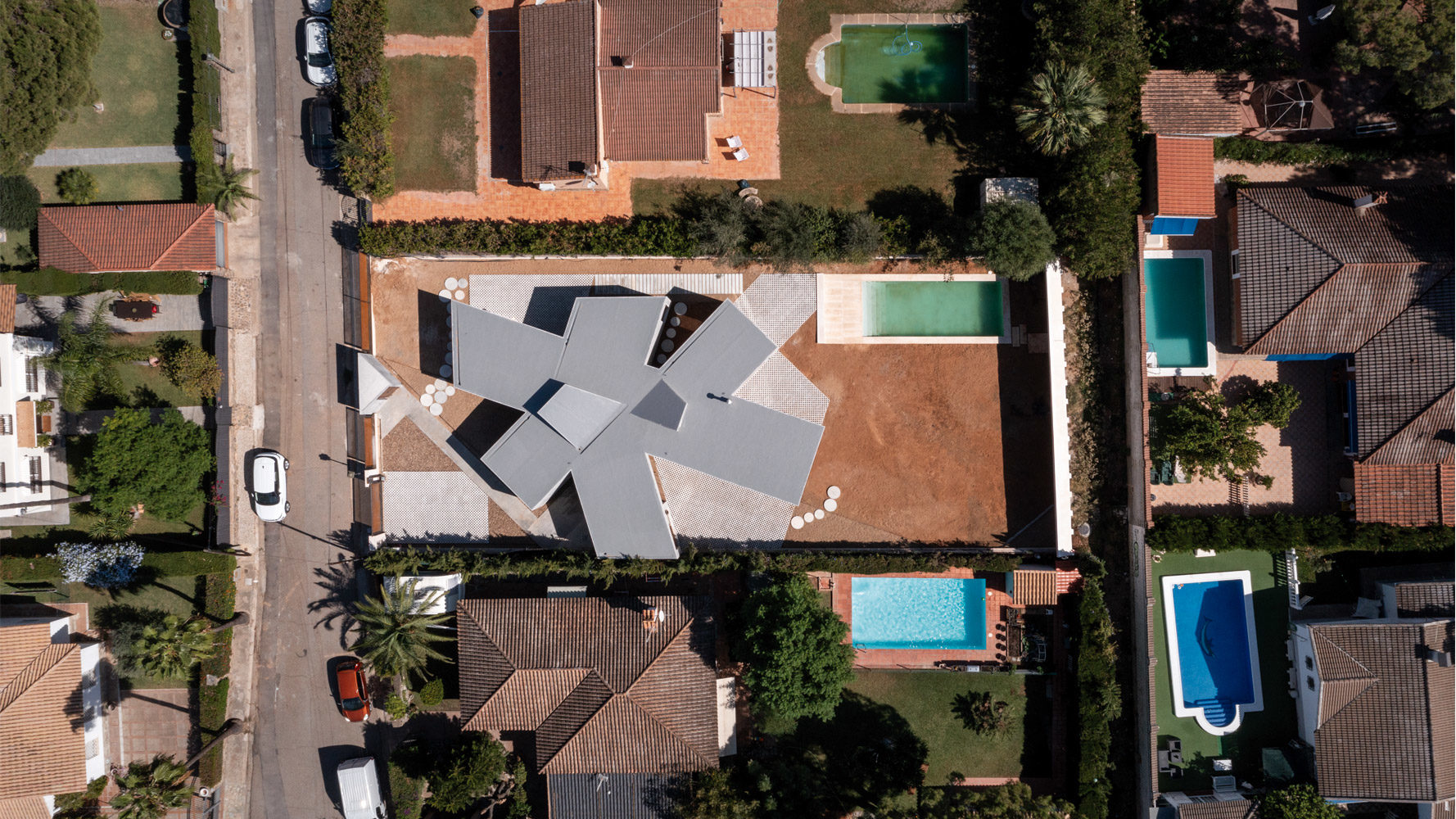
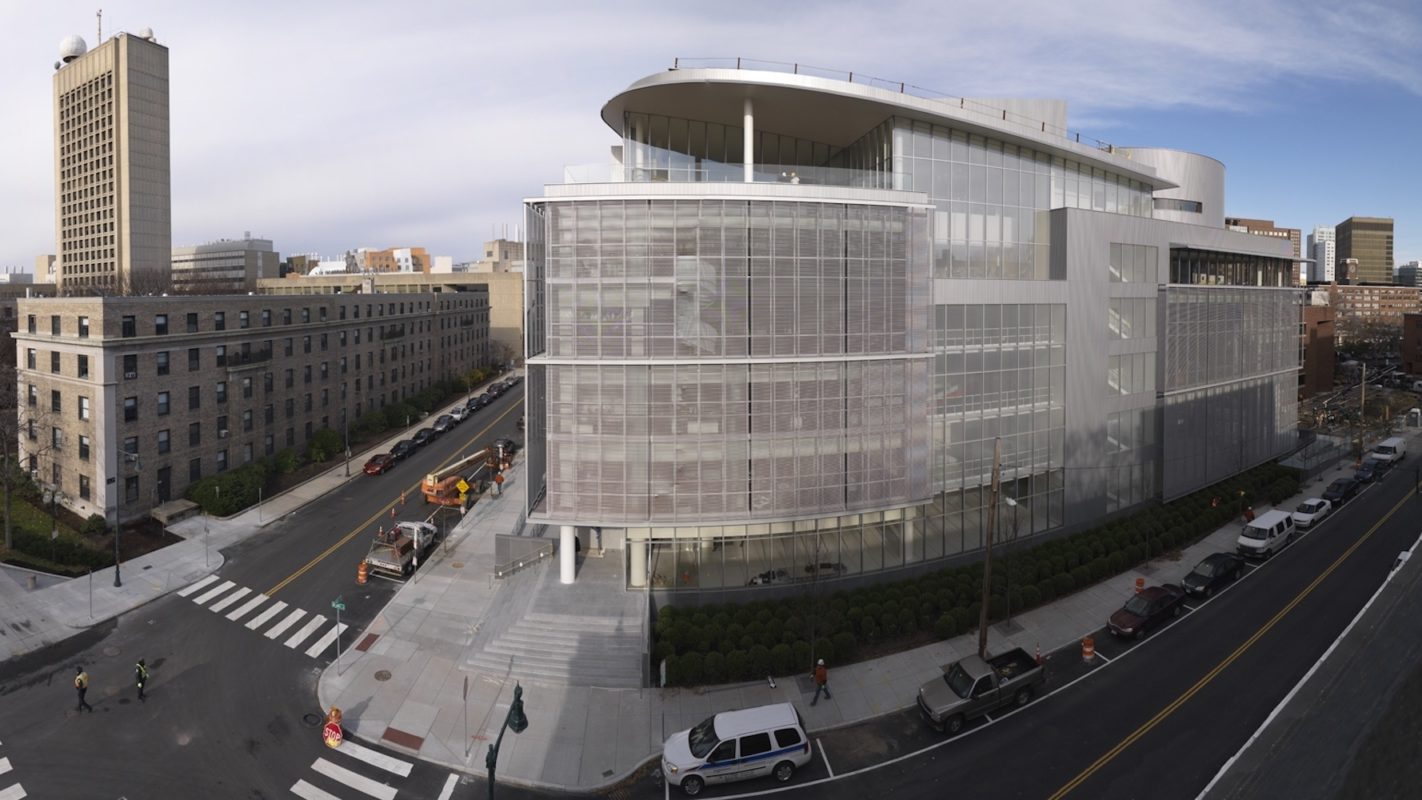
Now in its 10th year, Forte, Gimenes & Marcondes Ferraz (FGMF) has grown from three to 18 employees, and the three founders have indeed made an impression on the built environment in Brazil. From their first project of a small restaurant in the woods of São Paulo, built for a friend, to a small store in a mall, an apartment, their current roster of large-scale condominiums, a flagship auto showroom, and a polo complex, as well as houses and a complicated urban-renovation project in downtown Rio de Janeiro, the three architects have never lost their individuality as designers, or their ambition to grow the firm. Libraries, museums, airports, stadiums — these are the kinds of projects FGMF is currently competing for. “We’d like bigger assignments, but we’ll never stop loving to design houses,” says Forte. “Houses are where we can really explore new concepts.”
According to Gimenes, architectural innovation in Brazil these days isn’t as simple as it might seem, given the rich architectural tradition the country is known for. “We certainly have had some fantastic architects dating back to the 1940s and ’50s,” he says. “And architects such as Oscar Niemeyer, Vilanova Artigas, and Paulo Mendes da Rocha have had a strong influence on the newer generations. Because of that, I feel like we have some reticence about innovation in Brazil — it is too hard to break with our traditions, too painful to question it. Our ‘vanguard’ is too conservative.”
Forte agrees. “We had and still have great architects in Brazil,” he says. “Unfortunately, the 1970s and ’80s were terrible for architecture here (dictatorship, a polarization between left- and right-wing architects, and other problems). This has led to the majority of new construction being mediocre and makes investigative architects struggle to find work.”
Gimenes goes on to say that FGMF’s goal is to create something new, without denying good traditions. “We
have a commitment to try to think differently on every new project: We want every one of them to be a threshold in our development, but also a question mark in our architectural environment.”
The three agree that some of their colleagues appreciate the freedom of FGMF’s work, but also note that some find they lack a “style” or consistency. Forte says that is just great. “That’s the way we want to work forever,” he says. “We want every project to look different from our last. Every time I open a good architectural magazine, it’s like an inspirational punch in the face. There are so many possibilities, so much to keep us enthusiastic.”
PRINCIPALS: Fernando Forte, Lourenço Gimenes, Rodrigo Marcondes Ferraz
LOCATION: São Paulo, Brazil
FOUNDED: 1999
DESIGN STAFF: 18
SELECT WORK HISTORY: Forte: Academic — Universidade de São Paulo, São Paulo, Brazil, 2007—09; Gimenes: Jean Nouvel, Paris, 2000—01; Cabinet Alliaume, Paris, 2000; Academic — Istituto Europeo di Design, São Paulo, 2006—09; Universidade Paulista, Sorocaba, Brazil, 2004—07; Universidade de São Paulo (PAE), 2003—06; Marcondes Ferraz: Zanettini Arquitetura, São Paulo, 1998—99; Academic — Universidade Paulista, 2006—07
KEY PROJECTS: 2009: Kaze Building Paulista, São Paulo; Natura Houses, São Paulo;
2008: FDE School, São Paulo; Faber-Castell Industry, São Carlos
KEY CURRENT PROJECTS: 2011: Zarvos Natingui, São Paulo; 2013: Coral Beach Condominium, Ceará, Brazil
WEB SITE: www.fgmf.com.br
|
|
Get Architectural Record digital with free bonus content not found in the magazine!
Order back issues—complete your library!