home
subscribe
free e-newsletter free e-newsletter
reader service
widget
advertise
Subscribe to Architectural Record today
and save 60% off the newsstand price.
comment

United States Embassy in Beijing

Beijing, China
Skidmore, Owings & Merrill LLP

Best Public Project

By Aleksandr Bierig

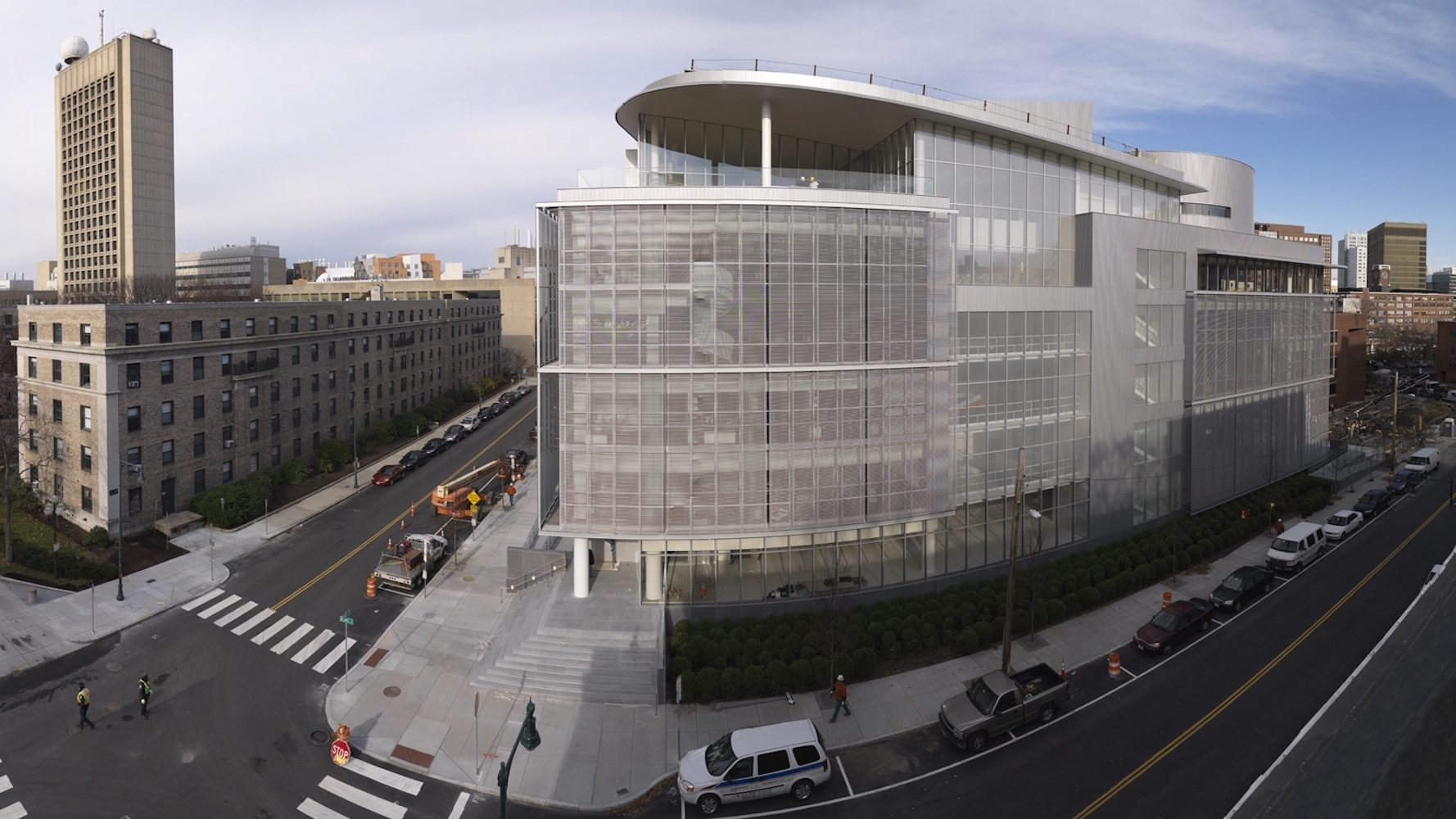
Given the complex forces connecting China and the United States, the new U.S. Embassy in Beijing, designed by Skidmore, Owings & Merrill’s San Francisco office, had to negotiate difficult political, cultural, and architectural terrain. The design needed to take into account strict security concerns while accommodating the offices, spaces for visa processing, conferences, receptions, and community outreach that define an embassy program. At the same time, it had to refer to both American and Chinese precedents, providing a secure, yet welcoming image of the United States.

United States Embassy in Beijing
Photo courtesy of Skidmore, Owings & Merrill

Rate this project:
Based on what you have seen and read about this project, how would you grade it? Use the stars below to indicate your assessment, five stars being the highest rating.
----- Advertising -----

SOM’s design team, led by partner Craig Hartman, started by dividing the huge, 46,500-square-meter program into three parts: one for community and public functions, one for administrative offices, and one dedicated to consular services. A series of gardens and walkways wind in and out of the buildings, connecting the three sections and creating a continuous band of green space within the compound. Hartman cites traditional Chinese types—such as Beijing’s hutong neighborhoods and courtyard houses—as the inspiration for these spaces. A dark granite “dragon wall” links the procession together. Beginning at the ambassador’s residence at the western edge of the site, the wall moves through the site as a continuous element, at times as a freestanding figure, at times as part of a building base, and at times defining courtyards and gardens. The architects and client put together an impressive art program to animate those spaces (as well as rooms inside the buildings), acquiring and, in many cases commissioning, sculpture by significant American artists—Jeff Koons, Ellsworth Kelly, and Maya Lin, among others.

The campus consolidates more than 20 U.S. agencies and 700 employees onto one site. Most people work in the new, 8-story office complex—a gleaming glass box whose curtain wall shifts between transparent, translucent, and opaque glass panels, forming a sort of veil over the entire structure. At night, that building lights up in the manner of a huge paper lantern, a beacon to the outside world.

 Reader Comments:

Sign in to Comment

To write a comment about this story, please sign in. If this is your first time commenting on this site, you will be required to fill out a brief registration form. Your public username will be the beginning of the email address that you enter into the form (everything before the @ symbol). Other than that, none of the information that you enter will be publically displayed.

We welcome comments from all points of view. Off-topic or abusive comments, however, will be removed at the editors’ discretion.

----- Advertising -----
Reader Feedback
Most Commented Most Recommended
Rankings reflect comments made in the past 14 days
View all Record Blogs
View all
AR Selects: Project Blogs
View all Project Blogs
McGrawHill
Search